Why I Diversified Everything Before Moving Abroad – A Real Talk
Thinking about moving to another country? I was too — and what I learned about protecting my money changed everything. It’s not just about saving; it’s about building a financial safety net that works across borders. I made mistakes, fell into traps, and finally figured out how to diversify assets the smart way. This is my real story, not a textbook guide — just honest insights that could save you time, stress, and thousands. The journey wasn’t glamorous, but it was necessary. What started as a dream of a quieter life overseas turned into a deep dive into global finance, tax systems, and personal resilience. If you’re considering a move abroad, this is the conversation no one’s having — and the one you can’t afford to miss.
The Moment Everything Changed – Facing Immigration Head-On
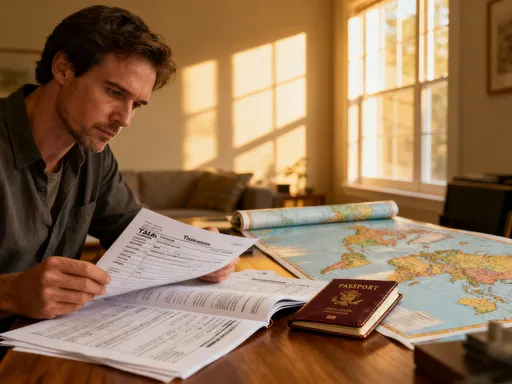
The idea of living abroad first came to me during a family trip to a coastal town in Southern Europe. The pace of life was slower, the air cleaner, and the sense of community stronger than anything I’d experienced back home. I remember sitting at a small café, sipping coffee while watching fishermen unload their morning catch, and thinking: This could be my life. But excitement quickly gave way to anxiety when I began researching the practical side of relocation. I soon realized that moving wasn’t just about packing suitcases and booking flights — it was about untangling a lifetime of financial commitments rooted in one country and rebuilding them in another.
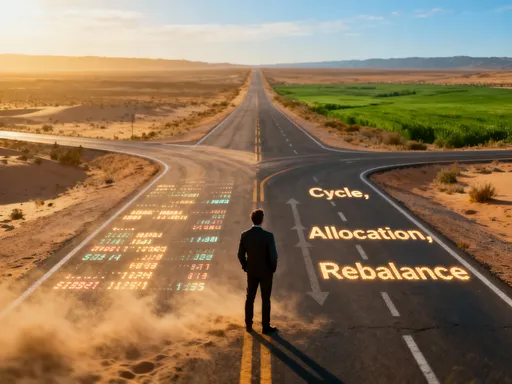
Until that point, every dollar I’d saved, every investment I’d made, and all my income streams were tied to my home economy. My bank accounts, retirement funds, property holdings, and even insurance policies were governed by a single legal and monetary system. I had assumed that because my finances were stable, they were also secure. But immigration exposed a dangerous blind spot: my wealth was concentrated, vulnerable to sudden changes in currency value, government policy, or banking access. What if I arrived in a new country only to find I couldn’t access my funds? What if inflation eroded my savings during the transition? These weren’t hypotheticals — they were real risks faced by expatriates every year.
The turning point came when I spoke with a woman who had moved from North America to Southeast Asia five years earlier. She described how a sudden change in capital controls had frozen her ability to transfer money abroad, leaving her dependent on limited cash reserves for months. She hadn’t anticipated the delay in accessing her own savings, and the financial strain nearly forced her to return home. Her story shook me. I realized that immigration isn’t just a change of address — it’s a financial transformation that demands preparation, foresight, and above all, diversification. From that moment, I shifted my focus from simply saving money to building a resilient, globally accessible financial foundation.
What Asset Diversification Really Means (Beyond Just Stocks)
When most people hear the term diversification, they think of spreading investments across different stocks or mutual funds to reduce risk. That’s sound advice within a single market, but it falls short when you’re planning to live in another country. True diversification for international living goes far beyond asset categories — it’s about distributing your financial life across multiple dimensions: geography, currency, legal systems, and asset types. It means ensuring that no single economic shock, political decision, or currency fluctuation can wipe out your financial security.
I began to see my portfolio not as a collection of accounts, but as a global ecosystem. My goal was no longer just growth — it was continuity. I wanted to ensure that no matter where I lived, I could maintain access to my wealth, manage expenses in local currency, and preserve purchasing power over time. This required a fundamental shift in mindset. Instead of asking, “Where can I get the highest return?” I started asking, “Where can I keep my money safest and most accessible?” That question changed everything.
Currency diversification became a cornerstone of my strategy. Holding all my savings in my home currency exposed me to exchange rate risk — if that currency weakened significantly, my purchasing power abroad would drop overnight. To counter this, I began allocating portions of my savings into major global currencies like the US dollar, euro, and Swiss franc. These currencies are widely accepted, relatively stable, and less prone to sudden devaluation. By holding funds in multiple currencies, I reduced my dependence on any one monetary system and gained flexibility in managing expenses across borders.
Geographic diversification followed. I started investing in markets outside my home country — not for speculation, but for stability. I looked for economies with strong institutions, transparent regulations, and consistent rule of law. These qualities matter because they protect investors even during times of global uncertainty. I also explored real estate opportunities in Tier-2 cities abroad — places with growing infrastructure but lower volatility than major metropolitan centers. Owning a small rental property in a stable foreign market gave me not only a potential income stream but also a physical foothold in another country.
Finally, I expanded into alternative assets. While stocks and bonds are essential, they can move in tandem during market crises. To add resilience, I allocated a modest portion of my portfolio to non-correlated assets like precious metals and international government bonds. Gold, for example, has historically preserved value during periods of inflation and currency instability. These assets don’t generate high returns, but they act as a financial anchor — something to rely on when other parts of the portfolio face pressure.
Why Traditional Portfolios Fail Migrants (And What I Fixed)
Before I began planning my move, I believed my financial situation was secure. I had a well-diversified portfolio of mutual funds, a retirement account, and a home with significant equity. On paper, everything looked solid. But when I stress-tested my finances against real-world migration scenarios, the weaknesses became glaring. What if my home currency lost 20% of its value in a year? What if new regulations limited how much money I could transfer abroad? What if a banking crisis delayed access to my accounts for weeks? These weren’t extreme possibilities — they’ve happened in various countries and affected real people.
The flaw in my traditional portfolio was its invisibility to systemic risk. Most domestic investment strategies assume stability: stable currency, stable banking access, stable regulatory environment. But when you leave that system, those assumptions no longer hold. A portfolio that performs well at home may become inaccessible, illiquid, or devalued the moment you cross a border. I realized that performance metrics like annual return or portfolio growth were meaningless if I couldn’t actually use the money when I needed it.
That’s when I shifted my priorities from return on investment to accessibility, control, and protection. I began restructuring my assets with mobility in mind. One of the first changes was opening an offshore brokerage account with a reputable international financial institution. This allowed me to hold investments in multiple currencies and access them from anywhere in the world with an internet connection. Unlike domestic accounts, which often require in-person verification or local residency, this type of account was designed for global citizens.
I also explored multi-currency banking options. Some international banks offer accounts that let you hold and transfer funds in USD, EUR, GBP, and other major currencies without constant conversion fees. This eliminated the need to time the market or worry about unfavorable exchange rates when making transfers. I began receiving a portion of my freelance income directly in US dollars, which I kept in a separate account to cover international expenses. This small change reduced my exposure to currency fluctuations and gave me more predictability in budgeting.
Another critical adjustment was reducing my reliance on assets that are difficult to liquidate or transfer. For example, while real estate can be a strong long-term investment, selling property across borders involves legal complexities, tax implications, and time delays. I didn’t sell my home, but I made sure I had enough liquid assets — cash, short-term bonds, and globally traded ETFs — to cover at least two years of living expenses abroad. This liquidity buffer gave me breathing room during the transition and protected me from being forced to sell assets at an inopportune time.
Building a Borderless Financial Base – My 4-Step Framework
Through trial, error, and careful research, I developed a four-step framework to create a financial foundation that works no matter where I live. It’s not designed for rapid wealth accumulation — it’s built for resilience, accessibility, and long-term stability. Each step adds a layer of protection, and together, they form a system that supports a mobile, international lifestyle.
Step one is currency diversification. I now maintain savings in at least three major global currencies: US dollars, euros, and Swiss francs. These are held in separate accounts with institutions that offer low-cost international transfers and transparent fee structures. I allocate funds based on where I expect to spend money — for example, more euros for European travel and living costs, more dollars for international investments and online services. This approach minimizes exchange rate risk and eliminates the need to convert large sums at once.
Step two is geographic diversification. I’ve invested in financial markets and real assets outside my home country. This includes global index funds that track economies worldwide, as well as direct investments in stable foreign markets. I chose locations with strong legal protections for foreign investors and low political risk. For instance, I own a small apartment in a mid-sized European city with reliable public services and steady rental demand. It’s not a luxury property, but it provides housing security and a potential income stream if I choose to rent it out.
Step three focuses on asset class spread. I balance my portfolio across liquid assets (cash, short-term bonds), physical assets (real estate, precious metals), and digital assets (globally accessible ETFs, international dividend stocks). This mix ensures that even if one category underperforms, others can help maintain stability. For example, during periods of stock market volatility, gold and cash holdings help preserve capital. I avoid speculative assets or anything I don’t fully understand — the goal is not to get rich quickly, but to stay secure over time.
Step four is legal structure planning. I worked with a cross-border financial advisor to set up transparent, compliant structures for managing my international assets. This includes using international brokerage accounts, declaring foreign holdings to tax authorities, and understanding inheritance laws in both my home and host countries. I considered setting up a trust for estate planning, but only after consulting legal experts to ensure it met all reporting requirements. The key lesson here is that modern financial systems reward transparency — hiding assets is no longer a viable or safe strategy. Compliance isn’t a burden; it’s a form of protection.
The Hidden Risks No One Talks About (And How I Avoided Them)
One of the most unsettling discoveries during my planning was how many financial pitfalls come not from market performance, but from legal and regulatory missteps. Tax obligations, reporting requirements, and inheritance laws vary widely between countries — and failing to comply can lead to penalties, frozen accounts, or even legal action. I learned that ignorance is not an excuse, and assumptions can be costly.
For example, I didn’t realize that owning foreign bank accounts or investment vehicles often requires annual disclosure to my home country’s tax authority. In many jurisdictions, there are strict rules about reporting foreign assets above a certain threshold. Failing to file these reports — even unintentionally — can trigger audits or fines. To avoid this, I began maintaining detailed records of all international accounts, transactions, and balances. I also set up automated reminders for reporting deadlines and worked with a tax professional who specializes in cross-border compliance.
Another hidden risk is the conflict between inheritance laws. In some countries, local law automatically overrides wills and dictates how assets are distributed — even if you’re a foreign national. I discovered that if I owned property abroad and passed away without proper estate planning, my heirs could face lengthy legal battles or unexpected tax liabilities. To address this, I updated my will to include international holdings and consulted a lawyer familiar with both domestic and foreign inheritance rules. I also considered using a revocable trust to streamline the transfer of assets and reduce probate complications.
Banking access was another concern. Not all financial institutions allow non-residents to maintain accounts, and some close accounts if they detect prolonged absence or changes in address. To prevent disruption, I chose banks with global networks and policies that support international clients. I also tested access during short trips abroad, ensuring I could log in, transfer funds, and contact customer support without issues. Regular use helped maintain account activity and avoid automatic closures.
Perhaps the most important lesson was this: transparency is my best defense. The era of offshore secrecy is over. International cooperation on tax and financial reporting has made it easier than ever for authorities to track cross-border activity. Instead of trying to hide assets, I focused on organizing them legally, declaring them properly, and staying informed. This approach didn’t eliminate risk — nothing does — but it reduced avoidable dangers and gave me confidence that my financial life was on solid ground.
Practical Moves That Made a Real Difference
The most impactful changes weren’t complex or expensive — they were simple, deliberate actions that built long-term security. Opening a multi-currency bank account was one of the easiest yet most transformative steps. It allowed me to receive income in foreign currencies, pay international bills directly, and avoid repeated conversion fees. The account interface was user-friendly, and customer support was available in multiple languages, which made managing money from different locations much smoother.
I also began investing in global index funds that are traded on international exchanges. Unlike domestic funds that may not be accessible abroad, these ETFs can be bought and sold from anywhere with an internet connection. They offer broad market exposure with low fees, and their performance is not tied to any single country’s economy. I set up automatic contributions to these funds, treating them as a core part of my long-term savings strategy.
Another practical move was purchasing a small rental property in a stable foreign market. I didn’t buy it for speculation — I bought it as a strategic foothold. The city I chose has reliable infrastructure, a growing expatriate community, and moderate property prices. I worked with a local property manager to handle maintenance and tenant relations, which minimized my day-to-day involvement. The rental income doesn’t cover all my expenses, but it helps offset costs and gives me a tangible asset in another country.
I also tested my financial setup in real-world conditions. Before making a permanent move, I spent three months living abroad on a temporary visa. During that time, I relied entirely on my international accounts, paid all expenses in local currency, and monitored transaction speeds and fees. I discovered that one of my banks had slow international transfers, so I switched to a provider with faster processing. I also learned which payment methods were most widely accepted and adjusted my strategy accordingly. This trial period was invaluable — it turned theory into practice and revealed gaps I hadn’t anticipated.
Finally, I prioritized financial education. I read books, attended webinars, and joined online communities of expatriates and global citizens. I learned about tax treaties, double taxation relief, and retirement planning for international residents. Knowledge became my greatest asset — not because it promised high returns, but because it gave me confidence in my decisions. I stopped fearing the unknown and started planning for it.
Looking Back – What I’d Do Differently Today
If I could go back and give my earlier self one piece of advice, it would be this: start earlier. Financial diversification isn’t something you can rush in the final months before a move. It takes time to research options, open accounts, transfer funds, and test systems. Beginning the process years in advance allows you to make thoughtful decisions, avoid pressure, and adapt as circumstances change.
I would also prioritize liquidity and flexibility over yield. In the past, I was tempted by higher returns from long-term, illiquid investments. Now, I understand that access matters more than performance during a transition. I’d allocate more to cash equivalents, short-term bonds, and globally accessible assets that can be used when needed. High returns mean little if the money is locked up when you need it most.
Building relationships with international banks and financial advisors before the move would have saved me time and stress. Establishing trust with institutions that understand cross-border needs is invaluable. I’d also invest in legal and tax planning earlier — not as an afterthought, but as a core part of the relocation strategy. Proper documentation, clear estate plans, and compliant structures prevent crises down the road.
Most importantly, I’ve learned that diversification isn’t about owning more — it’s about owning wisely. It’s not a tactic for getting rich; it’s a practice for staying secure. Today, I sleep better knowing my finances aren’t tied to a single country, currency, or system. I have options, access, and peace of mind. For anyone considering a move abroad, my message is simple: don’t wait. Start now. Build slowly, think globally, and protect what you’ve worked so hard to earn. Your future self will thank you.