Wandering Through Colombo’s Soul: Where Chaos Meets Charm
You know what? Colombo isn’t the kind of city that hits you with postcard perfection—it grabs you with raw energy, tangled wires, and the smell of street food drifting through monsoon air. I wandered for days with no map, just instinct, and found a city pulsing with contrasts: sleek towers beside crumbling colonial walls, silent temples tucked behind roaring traffic. This is Colombo beyond the guidebooks—real, messy, and absolutely alive. It doesn’t offer polished ease; it offers presence. To walk its streets is to feel the pulse of a nation in motion, where tradition and transformation coexist in a rhythm all its own. For travelers seeking authenticity over aesthetics, Colombo delivers not beauty in the conventional sense, but depth—layer upon layer of history, culture, and human resilience.
First Impressions: Stepping Into the Urban Pulse
Arriving in Colombo after dark, the city reveals itself in fragments—flickering streetlights, the sudden glow of a mobile phone screen in a passing tuk-tuk, the rhythmic thump of bass from a distant club. The drive from Bandaranaike International Airport into the city center is a gradual immersion into urban life. Unlike the quiet serenity of Sri Lanka’s hill country or the tranquil coastlines of the south, Colombo announces itself with volume and velocity. The air is thick with humidity and the scent of diesel, jasmine, and frying onions. Neon signs in Sinhala script blink above shops still open at 10 p.m., and the occasional cow ambles across the road, a quiet reminder of the island’s rural roots persisting within the capital’s sprawl.
What defines Colombo’s first impression is not grandeur, but vitality. The city is a mosaic of influences—Portuguese, Dutch, British, Indian, Malay, and indigenous Sri Lankan—all layered over centuries of trade, migration, and change. This diversity is evident in the architecture, the languages spoken, and the way people move through public space. You might hear Tamil spoken in a pharmacy, see a Buddhist monk boarding a bus, or pass a mosque where the call to prayer blends with the honking of impatient drivers. There is no single narrative here, only a chorus of coexisting stories.
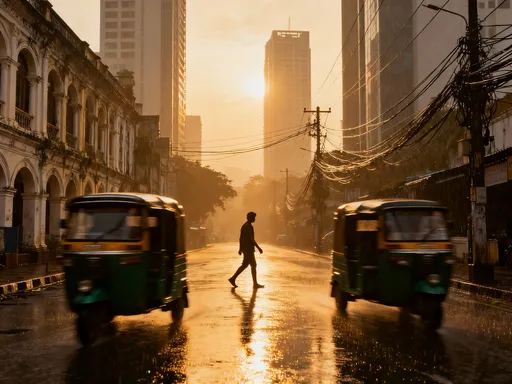
The urban rhythm feels chaotic at first, but patterns soon emerge. Traffic flows in what seems like disarray, yet tuk-tuks and buses navigate tight corners with practiced precision. Pedestrians cross roads without signals, moving in unspoken agreement with drivers. This is not disorder—it is a different kind of order, one built on intuition, adaptability, and shared understanding. For many visitors, especially those accustomed to highly regulated cities, this can be disorienting. But for those willing to slow down and observe, it becomes clear that Colombo operates on a different kind of logic—one rooted in resilience and resourcefulness.
The city’s energy is amplified by its role as Sri Lanka’s economic and cultural hub. As the nation’s largest city, Colombo houses government institutions, international businesses, and a growing creative class. It is a place where ancient rituals meet modern ambitions. A woman in a traditional sari might walk past a billboard advertising a global tech brand; a centuries-old temple stands just blocks from a high-rise office tower. This juxtaposition isn’t accidental—it’s essential to Colombo’s identity. The city does not erase its past to make way for the future; it folds the old into the new, creating a landscape that feels both timeless and urgent.
The Art of Wandering: Why Getting Lost Works Here
In a world where travel is often curated by algorithms and itinerary apps, wandering without a plan feels radical. In Colombo, it is also the most rewarding way to experience the city. Unlike destinations designed for sightseeing efficiency, Colombo reveals its character gradually, in fragments—through a sudden patch of sunlight on a weathered wall, the scent of clove and cinnamon from a street vendor, or the sound of a temple bell cutting through traffic noise. These moments are not found in guidebooks; they are discovered only by those who allow themselves to get lost.
Wandering is not aimless—it is attentive. It means walking without a destination, but with awareness. It means noticing how the city changes from one neighborhood to the next, not just in architecture, but in pace, sound, and mood. In Fort, the streets are wide and orderly, lined with colonial buildings and modern banks. In Pettah, just a few blocks away, the alleys narrow, the noise intensifies, and the air thickens with the scent of spices and sweat. This contrast is not a flaw—it is the city’s essence. To move between these worlds on foot is to understand Colombo not as a single place, but as a collection of microcosms, each with its own rhythm and identity.
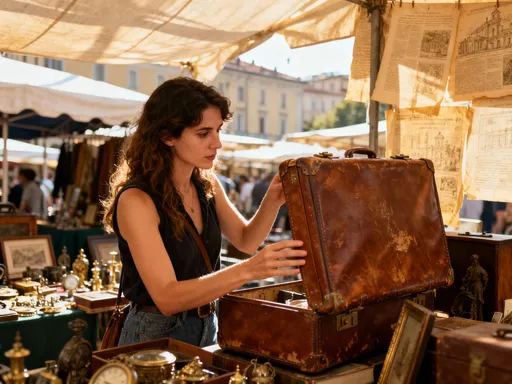
The neighborhoods of Colombo are best explored without a strict schedule. A morning walk through Cinnamon Gardens, with its tree-lined avenues and colonial-era bungalows, might lead to an impromptu stop at a sidewalk tea stall. A chat with the vendor could turn into an invitation to visit his home during a festival. These unplanned connections are the soul of travel, and they flourish in a city that rewards curiosity. There is no pressure to “see it all”—only an invitation to be present, to notice, and to engage.
For many women travelers, especially those in the 30–55 age range, the idea of wandering alone in an unfamiliar city can feel daunting. But Colombo, for all its intensity, is generally welcoming and safe for solo explorers during daylight hours. Locals are often polite and helpful, especially when approached with respect and a smile. Carrying a small map or using a phone for occasional navigation is wise, but relying too heavily on technology can pull you out of the moment. The goal is not efficiency—it is immersion. And immersion begins with letting go of control, even just a little.
Fort District: Where Old Meets New
The Fort district, named after the former Dutch and British fortifications that once stood here, is Colombo’s architectural and administrative heart. Today, the walls are gone, but the legacy remains in the grand colonial buildings that line Janadhipathi Mawatha and Chatham Street. These structures, built in the 19th and early 20th centuries, feature wide verandas, tall shuttered windows, and intricate stonework—designs meant to withstand the tropical climate while projecting imperial authority. Many now house government offices, banks, and legal firms, their interiors updated but their exteriors preserved.
What makes Fort compelling is not just its history, but how that history coexists with the modern city. Glass-fronted towers like the World Trade Center and Altair rise beside colonial relics, creating a skyline that tells the story of a nation in transition. The contrast could feel jarring, but in Colombo, it reads as conversation—a dialogue between past and present. The Old Parliament Building, with its neoclassical columns and symmetrical layout, stands just blocks from sleek office complexes where young professionals in business attire sip coffee from international chains. This blend is not always seamless—some new developments have been criticized for overshadowing heritage sites—but overall, the district maintains a sense of balance.
Public spaces in Fort serve as bridges between eras. Independence Square, officially known as Independence Memorial Hall, is a prime example. Built in 1948 to commemorate Sri Lanka’s independence from British rule, the structure combines traditional Sinhalese design elements—such as tiered roofs and stone carvings—with modern construction techniques. The surrounding park is a popular spot for morning walkers, families on weekends, and office workers taking lunch breaks. It is a place of both national pride and everyday life, where history is not locked behind glass but lived in the open air.
For visitors, Fort offers a more relaxed pace than other parts of the city. The streets are wider, the sidewalks more consistent, and there are several quiet cafes and bookshops tucked into side streets. A morning walk here, perhaps stopping for a cappuccino at a local bakery, provides a gentle introduction to Colombo’s urban landscape. It is also an ideal starting point for understanding the city’s layered identity—colonial, post-colonial, and increasingly global.
Pettah’s Labyrinth: A Sensory Overload Worth Embracing
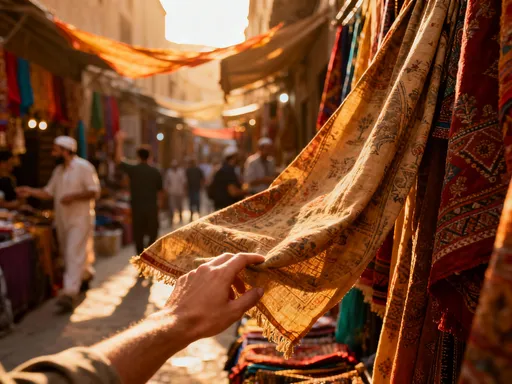
If Fort is Colombo’s formal face, Pettah is its vibrant, unfiltered soul. A sprawling market district just east of Fort, Pettah is a maze of narrow lanes, each dedicated to a different trade—fabric, electronics, gold, spices, religious artifacts. To walk through Pettah is to be immersed in a world of color, sound, and scent. Stalls overflow with marigold garlands, bolts of silk, pyramids of turmeric root, and shelves of imported smartphones. Vendors call out in Sinhala, Tamil, and Urdu, bargaining with customers while managing piles of goods that seem on the verge of spilling into the street.
The sensory intensity of Pettah can be overwhelming at first. The air is thick with the smell of cumin, diesel, and ripe fruit. Motorbikes weave through crowds with startling speed, and the constant honking of horns blends with the rhythmic chanting from a nearby mosque. Yet, within this chaos, there is a kind of order—a logic known to those who live and work here. Shopkeepers know their customers by name; delivery boys navigate alleys without looking; families move through the market with shopping bags and children in tow, as if on a familiar pilgrimage.
Some of the most fascinating lanes include Sea Street, famous for its gold jewelry shops, and Muslim Street, where incense, prayer mats, and traditional clothing fill the storefronts. The market is not just a commercial hub—it is a cultural crossroads. Muslims, Hindus, Christians, and Buddhists all shop and work here, reflecting Colombo’s religious diversity. During festivals like Eid, Diwali, or Vesak, the entire district transforms, with lights, music, and special foods adding to the already rich atmosphere.
For visitors, navigating Pettah requires awareness and respect. It is wise to dress modestly, avoid carrying large amounts of cash, and keep valuables secure. Bargaining is expected, but should be done politely. Most vendors are used to tourists and will not take offense at a declined offer. The key is to move with curiosity rather than caution—to engage, ask questions, and accept the occasional wrong turn as part of the experience. A misstep might lead to a hidden tea stall, a chance encounter with a local artisan, or simply a quiet moment in a shaded courtyard, far from the noise.
Green Oases in the Concrete: Escaping Into Nature
In a city defined by motion and noise, green spaces offer essential moments of stillness. Colombo’s parks and temple grounds are not mere decorations—they are sanctuaries. Viharamahadevi Park, the city’s largest public park, is a prime example. Once known as Victoria Park, it was renamed in honor of a legendary queen and redesigned to include walking paths, fountains, and shaded benches. Early mornings here are particularly peaceful, filled with joggers, tai chi practitioners, and elderly couples strolling under canopy trees. On weekends, families spread out on the grass, children play near the playground, and vendors sell fresh coconut water from roadside carts.
Another vital green space is the Beira Lake promenade. Once a neglected waterway, the lake has been revitalized in recent years, with walking paths, lighting, and seating areas added along the edges. An evening walk here offers a different view of the city—one of reflection, both literal and metaphorical. The water mirrors the skyline, softening the hard edges of buildings with ripples of light. It is a favorite spot for couples, photographers, and anyone seeking a quiet pause in the day.
Temple grounds also serve as urban oases. The Gangaramaya Temple, located near the lake, is one of Colombo’s most important Buddhist sites. Its complex includes meditation halls, a museum, and beautifully landscaped gardens filled with statues, lotus ponds, and blooming frangipani trees. Unlike some tourist-heavy temples, Gangaramaya remains a place of active worship. Visitors are welcome, but asked to dress respectfully and remove shoes before entering sacred areas. The atmosphere is one of calm focus, a stark contrast to the traffic just beyond the walls.
These green spaces are not luxuries—they are necessities. In a tropical climate where heat and humidity can be draining, access to shade and fresh air is crucial. For many residents, parks are extensions of their homes, especially in densely populated neighborhoods where private outdoor space is limited. Urban planners have increasingly recognized this, incorporating more green zones into new developments. For travelers, these spaces offer a chance to slow down, breathe, and reconnect with the natural world—even in the heart of the city.
Street Food & Urban Culture: Flavors That Define the City
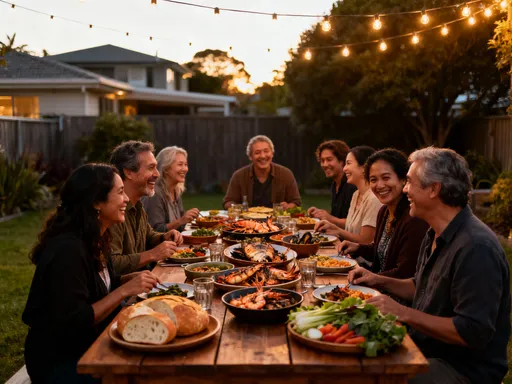
Colombo’s soul is perhaps best tasted, not seen. The city’s street food scene is vibrant, diverse, and deeply woven into daily life. From 24-hour kades serving steaming bowls of hoppers to roadside grills flipping kottu roti with theatrical flair, food is a constant presence. These small eateries—often just a counter under a tin roof—are more than places to eat; they are social hubs where drivers, office workers, and families gather at all hours.
One of the most iconic dishes is kottu roti, made by chopping up godamba roti (flatbread) on a hot griddle with vegetables, eggs, and your choice of meat or seafood. The rhythmic chopping creates a distinctive sound, almost like a percussion instrument, drawing in passersby. Another favorite is the hopper—a bowl-shaped pancake made from fermented rice flour and coconut milk, often served with a fried egg in the center and a side of spicy sambol. For something sweet, try a buffalo curd with treacle, a traditional dessert made from fermented milk and palm syrup.
The food reflects Colombo’s multicultural makeup. Malay influences appear in dishes like lamprais, a banana-leaf-wrapped meal of rice, meat, and sambols. Muslim communities contribute rich biryanis and savory short eats like rolls and patties. Portuguese-era influences linger in spicy, vinegar-based curries. To eat in Colombo is to taste centuries of migration, trade, and adaptation.
For visitors, enjoying street food safely means choosing busy stalls with high turnover, where food is cooked fresh and served hot. Bottled water is recommended, and it’s wise to carry hand sanitizer. Many locals eat with their right hand, but utensils are usually available upon request. The experience is not just about flavor—it’s about connection. A smile, a shared meal, a simple “thank you” in Sinhala (“ishthuthi”) can turn a transaction into a moment of human warmth.
Practical Wandering: Staying Safe, Moving Smart, Traveling Light
Wandering freely requires preparation, not fear. Colombo is generally safe for travelers, but awareness is key—especially in crowded areas like Pettah or along busy roads. Pickpocketing is rare but possible, so it’s best to carry a crossbody bag with a zipper and keep valuables out of sight. Women should feel confident walking during the day, but may prefer to avoid isolated areas at night. Using trusted transportation options like Uber, PickMe, or hotel-arranged tuk-tuks adds an extra layer of security.
When it comes to movement, walking is the best way to experience the city—but pacing matters. The tropical sun can be intense, so early mornings or late afternoons are ideal for long walks. Lightweight, breathable clothing, a wide-brimmed hat, and sunscreen are essential. Staying hydrated is crucial; carrying a reusable water bottle and refilling it with bottled water helps reduce plastic waste. Many hotels and cafes offer filtered water stations for guests.
Cultural etiquette enhances both safety and connection. Dressing modestly, especially when visiting temples or religious sites, shows respect. Removing shoes before entering homes or sacred spaces is expected. A friendly demeanor goes a long way—Sri Lankans are generally warm and hospitable, especially toward those who show genuine interest in their culture. Learning a few basic phrases in Sinhala or Tamil, such as “hello” (Ayubowan) or “thank you,” can open doors and brighten interactions.
The goal is to travel lightly—not just in luggage, but in attitude. Letting go of rigid plans, embracing small surprises, and moving at the city’s rhythm allows for deeper experiences. It means pausing to watch a street performer, accepting an invitation to share tea, or simply sitting on a park bench to observe the flow of life. These moments, small as they may seem, are what make Colombo unforgettable.
Conclusion: Why Colombo Stays With You
Colombo does not charm in the way a hill station or ancient temple might. It does not offer postcard views or tranquil silence. Instead, it imprints itself on you through texture—through the feel of warm pavement underfoot, the sound of a monk’s chant in a busy intersection, the taste of spicy curry from a roadside stall. It is a city of contrasts, contradictions, and quiet beauty hidden in plain sight. To wander Colombo is to learn a new way of seeing—not just landmarks, but life as it is lived.
What lingers long after departure is not a single image, but a feeling—that of being fully present in a place that refuses to be simplified. It is the kindness of a stranger who points you in the right direction, the resilience of a city that rebuilds and reinvents itself, the quiet dignity of everyday rituals carried out amid chaos. Colombo teaches patience, openness, and the value of slowing down to notice what others might overlook.
For women travelers who seek meaningful, grounded experiences, Colombo offers a rare gift: authenticity. It does not perform for tourists; it simply is. And in that honesty, there is a kind of magic—one that stays with you, not as a memory of what you saw, but as a quiet echo of how you felt. That is the soul of Colombo: not in its sights, but in its spirit.