You Won’t Believe What I Found Hiking Through Saint Petersburg’s Hidden Commercial Streets
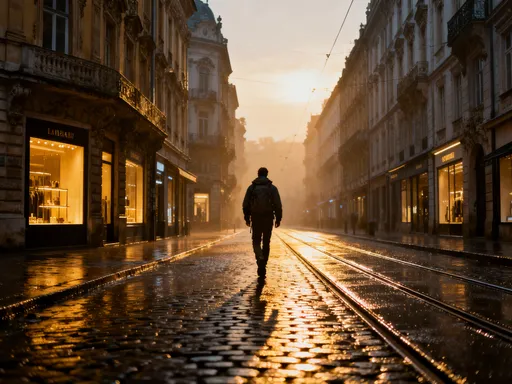
Hiking in Saint Petersburg? Most people think of palaces and canals — but I discovered something totally unexpected: vibrant commercial streets tucked between historic facades, best explored on foot. With cobblestones underfoot and the buzz of local life all around, I uncovered shopping lanes, open-air markets, and café-lined alleys that guidebooks rarely mention. This isn’t just a city for museum lovers — it’s a walker’s paradise hiding in plain sight. Far from the idea of hiking as a wilderness pursuit, urban walking here transforms into a sensory-rich journey through layers of history, culture, and daily commerce. Every step reveals another story — a hand-painted sign above a family-run shop, the chime of a passing tram, the aroma of freshly roasted coffee drifting from a hidden courtyard. In Saint Petersburg, walking is not just transportation; it’s discovery.
Reimagining Urban Hiking in Saint Petersburg
When most people hear "hiking," they picture mountain trails, forest paths, or coastal cliffs. But in Saint Petersburg, hiking takes on a different meaning — one rooted in the rhythm of city life. Here, long, purposeful walks through the urban landscape become a form of exploration just as rewarding as any nature trek. The city’s compact yet expansive layout, with its web of canals, grand boulevards, and intimate side streets, invites pedestrians to slow down and absorb the details. Walking through Saint Petersburg is not about conquering elevation, but about uncovering layers — architectural, historical, and cultural — that reveal themselves only at human pace.
The city’s design naturally encourages walking. Wide sidewalks, tree-lined avenues, and pedestrian-friendly zones make it easy to cover ground comfortably. Unlike tour buses that rush from landmark to landmark, a walker moves with the city’s pulse. You hear the distant chime of church bells mixing with street musicians near Nevsky Prospekt. You smell the warm, buttery scent of blini from a food cart tucked beside a 19th-century arcade. You feel the uneven texture of centuries-old cobblestones beneath your shoes, a subtle reminder of the city’s enduring presence. These sensory details are lost when you’re confined to a vehicle, but they come alive when you travel on foot.
Urban hiking in Saint Petersburg is also a lesson in observation. The city’s facades often conceal courtyards, hidden passages, and small commercial enclaves that only reveal themselves to those who wander slowly. A grand neoclassical building might house a quiet bookshop in its archway, or a narrow alley could open into a sunlit market square. These discoveries are not marked on maps, nor do they appear in most guidebooks. They are rewards for the curious walker — the kind of person who pauses to examine a weathered door, follows a trail of music, or ducks into a courtyard drawn by the sight of blooming geraniums in window boxes.
Moreover, walking allows for a deeper connection with the city’s people. You begin to recognize the rhythm of daily life — the elderly woman buying bread at the corner bakery, the delivery worker unloading crates of fresh produce, the students laughing outside a coffee shop. These moments create a sense of intimacy that no museum exhibit can replicate. In this way, urban hiking becomes more than physical exercise; it becomes a form of cultural immersion, a way to experience Saint Petersburg not as a tourist, but as a temporary local.
Why Commercial Areas Make the Best Walking Routes
While many travelers prioritize museums and palaces, the commercial heart of Saint Petersburg offers an equally compelling — and often more authentic — walking experience. Unlike curated tourist sites, commercial districts are alive with real, unscripted life. They are where locals shop, eat, meet, and work. These areas are not preserved behind glass; they are in constant motion, adapting to the seasons, trends, and needs of the city. As such, they provide rich, dynamic pathways for exploration.
One of the most striking aspects of Saint Petersburg’s commercial zones is the seamless blend of old and new. Historic arcades like the Passage or the Great Gostiny Dvor, which date back to the 18th and 19th centuries, now house modern boutiques, international brands, and specialty shops. These buildings were originally designed as covered shopping galleries, and their elegant glass roofs, marble columns, and wrought-iron railings create a timeless atmosphere. Walking through them feels like stepping into a living museum — one where you can still buy handmade chocolates, browse designer fashion, or sip espresso at a café beneath a gilded ceiling.
Beyond the grand arcades, smaller streets reveal repurposed Soviet-era buildings turned into design studios, concept stores, and artisan workshops. A former factory might now host a cluster of independent fashion labels, while a corner kiosk once used for ration distribution has become a specialty tea stand. These transformations reflect the city’s resilience and creativity, showing how commerce evolves without erasing history. For the urban hiker, these spaces offer not just visual interest, but a narrative — a story of adaptation, survival, and reinvention.
Commercial areas also provide natural, well-connected routes for long walks. Unlike isolated parks or distant attractions, shopping streets and market zones are linked by sidewalks, bridges, and pedestrian crossings, forming a continuous network. You can start at the Admiralty and follow the flow of foot traffic down Nevsky Prospekt, then veer into side streets like Italian Street or Finnish Street, each with its own distinct character. These routes are intuitive, safe, and rich in variety, making them ideal for full-day explorations. And because they are designed for people, not cars, they offer a relaxed, unhurried pace — perfect for travelers who want to see more without feeling rushed.
Nevsky Prospekt: More Than Just a Shopping Street
No discussion of urban hiking in Saint Petersburg is complete without mentioning Nevsky Prospekt, the city’s central artery and one of the most famous avenues in Russia. Stretching over four kilometers from the Admiralty to the Alexander Nevsky Monastery, it serves as both a commercial hub and a walking spine that connects key neighborhoods. While many visitors only experience short segments of it, walking the full length offers a comprehensive view of the city’s character — from imperial grandeur to bohemian charm.
The western end of Nevsky Prospekt, near the Moika River, is lined with opulent buildings, luxury boutiques, and historic hotels. This section buzzes with energy, especially during midday when shoppers flood the sidewalks and tour groups gather outside landmarks like Kazan Cathedral. But the true pleasure of walking Nevsky lies in timing and pacing. Early mornings, just after sunrise, offer a rare moment of calm — the streets are quiet, the light is soft, and the city feels almost private. This is the perfect time to appreciate architectural details: the intricate carvings on 19th-century facades, the ornate lampposts, the pastel-colored buildings that glow in the morning sun.
As you move eastward, the atmosphere gradually shifts. The luxury stores give way to mid-range chains, independent bookshops, and cozy cafés. Near the junction with Ligovsky Prospekt, the street becomes more eclectic, with street vendors, musicians, and a mix of old and new architecture. Further on, past the Church of the Savior on Spilled Blood, the pace slows. The crowds thin, and the surroundings become more residential. By the time you reach the Alexander Nevsky Monastery, you’re in a different world — one of quiet courtyards, monastic gardens, and the deep resonance of church bells.
For the urban hiker, Nevsky Prospekt is not just a destination, but a journey. To make the most of it, consider breaking the walk into segments with intentional pauses. Stop at a café near Gostiny Dvor for a mid-morning coffee and a slice of medovik cake. Take a break at one of the small parks along the way, such as Arts Square, where you can sit on a bench and watch the city unfold. If the weather is pleasant, explore the side streets that branch off Nevsky — each one offers a detour into a different micro-neighborhood. And to avoid the thickest crowds, plan your walk for weekday mornings or late afternoons on weekends.
Hidden Commercial Lanes Beyond the Main Drag
While Nevsky Prospekt draws the most attention, some of Saint Petersburg’s most rewarding walking experiences happen just steps away from the main thoroughfare. These hidden lanes — often overlooked by tourists — form a network of intimate, character-rich streets that showcase the city’s creative and commercial soul. Malaya Sadovaya, for instance, begins as a quiet extension of Nevsky but quickly transforms into a pedestrian-friendly zone filled with bookstores, gift shops, and outdoor seating. In spring and summer, flower boxes overflow with color, and the sound of live jazz often spills from open café doors.
Just a few blocks away, Bolshaya Konyushennaya Street offers a more residential yet equally vibrant atmosphere. Lined with pastel-colored buildings and shaded by linden trees, it feels like a secret garden tucked into the city. Here, you’ll find small design studios, handmade jewelry shops, and bakeries where locals line up for fresh rye bread. The street’s gentle curve and lack of heavy traffic make it ideal for a leisurely stroll, especially in the late afternoon when the light slants across the facades, casting long shadows and warm glows.
Another gem is the Arts Quarter, centered around Lomonosov Street and the area near the Russian Museum. This district has long been a haven for artists, writers, and performers, and its commercial life reflects that heritage. Independent galleries display local artwork in ground-floor windows, while small theaters host intimate performances. The side streets here are dotted with craft stores selling handmade paper, calligraphy supplies, and vintage postcards — perfect for collectors or those seeking meaningful souvenirs. Walking through this area feels like stepping into a creative enclave, where commerce and culture are deeply intertwined.
These lesser-known streets share important qualities: they are safe, well-lit, and easily navigable. Most are pedestrian-priority zones, with minimal car traffic and frequent crosswalks. They also offer the kind of spontaneity that makes urban hiking so rewarding. You might stumble upon a pop-up market selling handmade soaps, hear a pianist practicing through an open window, or find a tiny courtyard café serving homemade berry compote. These moments of surprise are what elevate a simple walk into a memorable experience.
Markets and Food Halls: Fuel for Urban Trekkers
No long walk is complete without proper refueling, and Saint Petersburg’s markets and food halls offer some of the most authentic and satisfying options in the city. Unlike generic fast-food chains, these spaces provide a taste of local life — both literally and culturally. Kuznechny Market, one of the oldest and most beloved markets in the city, is a prime example. Housed in a historic red-brick building near Ligovsky Prospekt, it opens early and stays busy throughout the day. Inside, rows of stalls overflow with fresh produce, smoked fish, pickled vegetables, and wheels of pungent cheese. The air is thick with the scent of herbs, garlic, and freshly baked bread.
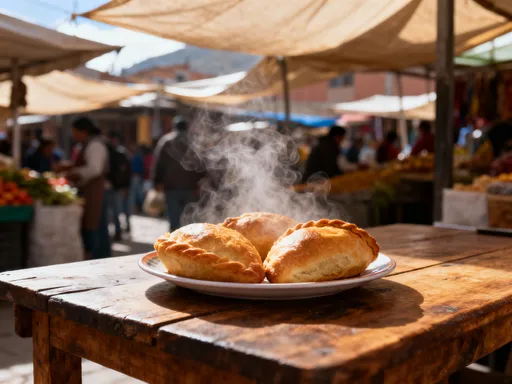
For the urban hiker, Kuznechny is more than a place to eat — it’s a destination in itself. You can grab a warm pirozhok filled with cabbage and egg, sip on a cup of strong Russian tea, or assemble a picnic from local specialties. The market’s layout encourages slow exploration, with narrow aisles and friendly vendors happy to offer samples. Prices are reasonable, making it an ideal stop for budget-conscious travelers. And because it’s frequented by locals, it offers an unfiltered glimpse into everyday Saint Petersburg life.
Another excellent option is Smena, a modern coworking space and food court located in a renovated industrial building near the Fontanka River. While it caters to freelancers and remote workers, it’s equally welcoming to walkers in need of a break. The food hall features a rotating lineup of local vendors serving everything from dumplings and borscht to artisanal coffee and vegan pastries. The space is bright, clean, and thoughtfully designed, with plenty of seating, charging stations, and even a small library. It’s a perfect place to rest, recharge your phone, and plan the next leg of your walk.
When visiting these food spaces, a few tips can enhance the experience. First, carry a small reusable bag — many vendors wrap food in paper or foil, and having a container makes it easier to carry multiple items. Second, don’t be afraid to point and smile if language is a barrier; most vendors are used to international visitors. And finally, embrace the pace of the place. Sit down, observe the surroundings, and take your time. These breaks aren’t just about eating — they’re about pausing, reflecting, and absorbing the rhythm of the city.
Seasonal Shifts: How Commercial Streets Transform
The experience of hiking through Saint Petersburg’s commercial streets changes dramatically with the seasons, each offering its own unique charm and atmosphere. In summer, the city comes alive with outdoor life. Cafés extend their seating into the streets, markets overflow with fresh berries and herbs, and the long daylight hours — with white nights in June and July — allow for extended walks well into the evening. The canals sparkle under the sun, and the sound of music drifts from open windows and street performers. This is the ideal time for leisurely exploration, when the city feels open and inviting.
Autumn brings a quieter, more reflective mood. The crowds thin, the light turns golden, and the trees along the avenues begin to shed their leaves. Commercial streets take on a cozier feel, with shop windows glowing warmly and cafés offering seasonal treats like spiced apple compote and hot chocolate with cinnamon. It’s a wonderful time to walk without feeling rushed, to savor the details, and to enjoy the city’s architecture in softer, more intimate light.
Winter transforms the city into a fairytale landscape. Snow blankets the rooftops and cobblestones, and holiday markets appear in squares and courtyards. The most famous, like the one at Palace Square or near the Church of the Savior on Spilled Blood, feature wooden stalls selling handmade ornaments, warm mittens, and hot beverages. The air smells of roasted chestnuts and mulled wine, and the streets sparkle with festive lights. While the cold can be biting, proper layers — thermal wear, a warm coat, and insulated boots — make winter walking not only possible but deeply rewarding. The city feels magical, and the commercial streets, dusted with snow, take on a storybook quality.
Spring, though often damp and unpredictable, brings renewal. Window displays feature pastel colors and floral motifs, markets begin to stock fresh greens and early vegetables, and the city slowly sheds its winter coat. It’s a time of transition, when the promise of warmth is in the air and the streets begin to buzz with renewed energy. For the urban hiker, each season offers a different lens through which to see the city — not as a static destination, but as a living, breathing entity that changes with time.
Walking with Purpose: Combining Culture, Commerce, and Movement
At its best, hiking through Saint Petersburg’s commercial streets is more than just a way to get from place to place — it’s a holistic travel experience that blends physical activity, cultural immersion, and mindful exploration. Each step contributes to a deeper understanding of the city, not through checklist tourism, but through sustained, sensory engagement. You learn about history by noticing architectural details, about daily life by observing local habits, and about yourself by discovering what draws your attention — a particular color, a familiar scent, a sudden burst of music.
This kind of walking also supports well-being. Studies have shown that regular walking improves cardiovascular health, reduces stress, and enhances mental clarity. In the context of travel, it adds structure and rhythm to the day, preventing the fatigue that comes from passive sightseeing. Instead of returning to your hotel feeling overwhelmed, you come back energized — your body active, your mind alert, your spirit enriched by small discoveries.
To experience this balance, consider a sample itinerary: Begin in the morning at the Admiralty, walking east along Nevsky Prospekt with a brief stop at Gostiny Dvor. Continue to Kazan Cathedral, then turn onto Malaya Sadovaya for a coffee break. Loop through the Arts Quarter, visit a gallery or two, then head toward Kuznechny Market for lunch. Afterward, walk along the Fontanka River to Smena for an afternoon rest. Finish with a stroll through Bolshaya Konyushennaya and back toward Nevsky, perhaps pausing at a church or park along the way. This route covers about 8–10 kilometers — a full day’s walk — but broken into manageable segments with natural pauses.
In the end, the true value of urban hiking lies in its ability to transform how we see cities. Saint Petersburg is not just a collection of landmarks to photograph, but a living landscape to move through, feel, and understand. Its commercial streets — often dismissed as mere shopping zones — are in fact gateways to connection, discovery, and joy. So lace up your walking shoes, leave the tour bus behind, and let the city reveal itself, one step at a time.