You Won’t Believe These Hidden Photo Spots in Italy’s Dolomites
The Dolomites in northern Italy are more than just mountains—they’re a living canvas of light, rock, and alpine magic. As part of a protected UNESCO World Heritage site, these peaks offer some of the most breathtaking photo opportunities in Europe. I’ve hiked here for years, and every turn reveals something new: glowing cliffs at sunrise, mirror-like lakes, and meadows bursting with wildflowers. This is nature preserved—and absolutely made for photography. The interplay of shadow and color, the quiet stillness of high-altitude valleys, and the way dawn paints the pale rock in warm hues create a visual symphony unmatched anywhere else. For photographers seeking authenticity, beauty, and depth, the Dolomites deliver beyond expectation. What makes this region truly special isn’t just its scenery, but how carefully it has been protected to remain wild and inspiring for generations to come.
Why the Dolomites Are a Photographer’s Dream
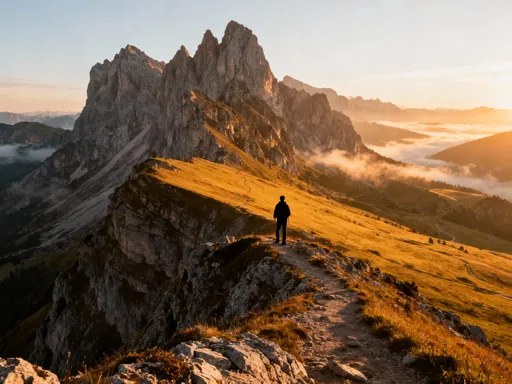
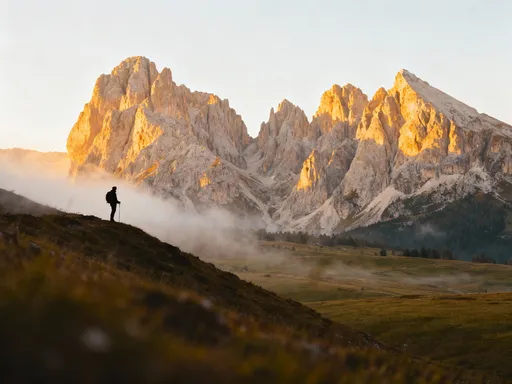
The Dolomites stand apart from other mountain ranges not only for their dramatic spires and sweeping ridgelines but for the way light interacts with their unique geology. Composed largely of dolomite rock, named after the mineral itself, these mountains have a distinct pale hue that transforms dramatically with the sun’s angle. At dawn and dusk, the peaks glow in shades of rose, orange, and deep red—a phenomenon known as enrosadira, rooted in local Ladin culture. This natural light show offers photographers an ever-changing palette, making the same location appear entirely different across seasons and times of day. The contrast between shadow and illumination is especially sharp due to the jagged terrain, creating powerful compositions rich in depth and texture.
Beyond lighting, the region’s biodiversity enhances visual storytelling. Alpine meadows blanket the lower slopes each summer, exploding with edelweiss, gentians, and alpine pinks. These floral carpets provide vibrant foreground elements when photographing distant peaks. In autumn, larch trees turn golden, adding warmth to otherwise cool-toned landscapes. Elevation plays a crucial role as well; with trails ascending from around 1,000 meters to over 3,000 meters, photographers can capture everything from forested valleys to snow-dusted summits within a single day. The climate, shaped by both Mediterranean and continental influences, ensures varied weather patterns—mist rolling through gorges, sudden sunbreaks after rain, or frost clinging to pine branches in early morning—all contributing to dynamic and emotionally resonant imagery.
What truly sets the Dolomites apart is the harmony between untouched nature and accessible beauty. Unlike heavily developed alpine regions elsewhere in Europe, much of this area remains free of large resorts, power lines, or disruptive infrastructure. This preservation is not accidental but the result of deliberate conservation policies tied to its UNESCO World Heritage status. As a result, photographers encounter unobstructed views, authentic rural architecture like wooden mountain huts, and a sense of timelessness that enhances the emotional weight of every image. Whether shooting wide-angle panoramas or intimate macro details, the Dolomites offer a rare combination of grandeur and subtlety that rewards both technical skill and artistic vision.
The Heart of Protection: Understanding the Dolomites’ UNESCO Status
In 2009, the Dolomites were inscribed as a UNESCO World Heritage Site under criteria highlighting their exceptional natural beauty and geological significance. This designation covers nine distinct mountain groups spread across four provinces in northern Italy, recognizing the area’s ancient coral reef origins, dramatic uplift processes, and ongoing erosion patterns that have sculpted its current form over millions of years. More than just a symbolic honor, UNESCO status brings enforceable protections that directly benefit photographers and nature lovers. Development is strictly limited within designated zones, ensuring that new construction, road expansion, and commercial projects do not compromise scenic integrity or ecological balance.
One of the most tangible impacts of this protection is the maintenance of visual clarity. Because billboards, large hotels, and industrial structures are prohibited, the landscape remains pristine and immersive. Trails lead directly into wilderness without passing through urbanized areas, allowing photographers to step off a shuttle bus and immediately enter a world of silence and natural grandeur. Additionally, visitor numbers in sensitive areas are monitored and managed to prevent overcrowding. At sites like Lago di Braies and Tre Cime di Lavaredo, timed entry systems and parking restrictions have been introduced in recent years to reduce environmental strain while preserving the quality of the experience.
Conservation efforts also extend to trail maintenance, waste management, and wildlife protection. Local authorities collaborate with environmental groups to restore eroded paths, install informative signage about flora and fauna, and promote responsible behavior among tourists. These measures ensure that popular viewpoints remain safe and sustainable rather than degraded by overuse. For photographers, this means consistently reliable conditions—clean water for reflections, intact vegetation for foreground interest, and undisturbed animals such as marmots or chamois that may appear in candid shots. The UNESCO framework also encourages cross-regional cooperation, so even though the Dolomites span multiple administrative areas, conservation standards remain aligned, creating a unified approach to stewardship.
Photographers benefit not only from what is protected but from what is absent—noise, clutter, and artificial lighting. Night photography, for instance, thrives here due to low light pollution, making it possible to capture star trails above silhouetted peaks or the Milky Way arching over a tranquil lake. The cumulative effect of these protections is a landscape that feels timeless and authentic, where every photograph reflects nature as it should be: powerful, unspoiled, and deeply moving. This level of preservation underscores why the Dolomites continue to inspire awe and remain a top destination for visual storytellers worldwide.
Alpe di Siusi: Where Meadows Meet Majestic Peaks
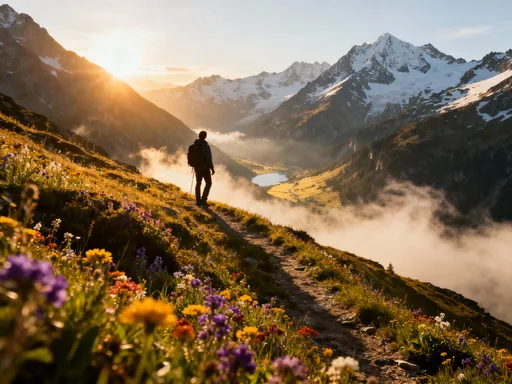
Alpe di Siusi, known locally as Seiser Alm, is the largest high-altitude alpine meadow in Europe, stretching over 56 square kilometers at an elevation between 1,600 and 2,200 meters. Nestled beneath the dramatic walls of the Schlern and Sciliar massifs, this vast green expanse offers photographers an unparalleled mix of openness and drama. In summer, the meadow becomes a sea of color—yellow gentians, purple crocuses, and white edelweiss dot the grasslands, creating a soft, textured foreground against the stark limestone cliffs behind. Cows graze peacefully in traditional wooden huts, adding cultural authenticity to the scene. The absence of private vehicles on the main plateau keeps the atmosphere serene, enhancing both the sensory and photographic experience.
For optimal photography, timing is essential. Sunrise at Alpe di Siusi delivers some of the most magical light of the day, as the first rays strike the eastern faces of the Sciliar range, turning them from gray to golden. The long shadows cast across the meadow add dimension and depth to wide-angle compositions. Conversely, sunset illuminates the western ridges and fills the sky with warm pastels, often reflecting subtly in dew-covered grass. Midday light can be harsh, but overcast conditions soften contrasts and bring out the rich greens and blues of the landscape, ideal for intimate close-ups of flowers or textures in the rock.
Access to Alpe di Siusi is designed to minimize environmental impact. Visitors are encouraged to use the public cable car from Compatsch or take shuttle buses from nearby towns like Ortisei and Castelrotto. This reduces traffic congestion and preserves the tranquility of the area. Once on the plateau, a well-marked network of trails allows photographers to explore freely while staying on designated paths. Recommended routes include the walk toward Fiè allo Sciliar for frontal views of the Schlern cliff, or the path leading to Monte Pana for elevated panoramas. A moderate hike to the Alpe di Siusi high cross offers a symbolic landmark framed by sweeping vistas.
From a gear perspective, a versatile zoom lens (24-70mm) works well for capturing both expansive scenes and tighter details. A tripod is highly recommended for early morning or evening shots, especially when using slower shutter speeds to convey motion in drifting clouds or grazing animals. A polarizing filter helps manage glare on foliage and enhances sky contrast. Because weather changes quickly at this altitude, photographers should dress in layers and protect equipment from sudden rain or wind. With careful planning and respect for the environment, Alpe di Siusi offers not only stunning images but a profound connection to the rhythms of alpine life.
Lago di Braies: Iconic Beauty, Smart Timing
Lago di Braies, nestled within the Fanes-Sennes-Prags Nature Park, is one of the most photographed alpine lakes in the world. Its emerald-green waters, framed by dense pine forests and the sheer walls of the Dolomite peaks, create a postcard-perfect composition that draws thousands each year. Yet despite its popularity, the lake remains remarkably well-preserved thanks to strict conservation policies. Wooden rowboats, painted red and moored at the dock, add a nostalgic charm and serve as iconic foreground elements in many images. The reflection of the surrounding cliffs on calm mornings transforms the lake into a mirror, doubling the visual impact of the scenery.
Because of its fame, capturing Lago di Braies without crowds requires strategic planning. The best opportunity arises just after sunrise, when the park gates open and most visitors have yet to arrive. During this window, photographers can secure unobstructed views along the northern shoreline—the classic vantage point looking south toward the mountain wall. The soft morning light enhances the water’s turquoise tones and minimizes harsh highlights. Late afternoon and golden hour also offer compelling possibilities, particularly when the western sun grazes the treetops and casts long shadows across the lake. Fog occasionally lingers into mid-morning, creating ethereal, dreamlike atmospheres ideal for moody black-and-white conversions.
To avoid contributing to congestion, visitors are advised to arrive by shuttle or bike rather than private car. The nearby Parcheggio Prags/Braies parking lot fills quickly, especially in summer, and overflow traffic can strain local infrastructure. Alternative routes, such as hiking in from the village of Braies (about 3 km), not only reduce environmental impact but also allow photographers to scout lesser-known angles along the eastern shore. These quieter spots offer intimate perspectives of reeds, lily pads, and small inlets where dragonflies hover above still water.
Ethical considerations are paramount at Lago di Braies. Stepping off marked trails damages fragile shoreline vegetation, and launching drones is strictly prohibited within the nature park. Feeding wildlife or disturbing nesting birds undermines conservation goals. By adhering to these rules, photographers help maintain the lake’s pristine condition. Ultimately, the goal is not just to take a beautiful photo but to do so in a way that honors the site’s ecological and cultural value. When approached with mindfulness, Lago di Braies remains not only a visual treasure but a model of how protected areas can balance accessibility with sustainability.
Tre Cime di Lavaredo: The Classic Shot and Beyond
The three towering spires of Tre Cime di Lavaredo—Cima Piccola, Cima Grande, and Cima Ovest—rise like ancient sentinels above the surrounding plateau, forming one of the most recognizable mountain profiles in the Alps. Located in the Sexten Dolomites Nature Park, this site attracts photographers from around the globe, particularly at dawn when the first light ignites the pale rock in fiery hues. The northern viewpoint, accessible via a well-maintained loop trail, offers the quintessential composition: the full face of Cima Grande reflected in a small meltwater pond, with the other two peaks flanking it symmetrically. This image has become iconic, reproduced in calendars, books, and travel campaigns worldwide.
While the classic shot is unforgettable, exploring beyond it reveals even more compelling possibilities. The full 10-kilometer circular trail circumnavigating the base of the peaks presents diverse perspectives—from low-angle shots emphasizing height and texture to wide vistas showing the relationship between the spires and the surrounding ridges. On the eastern side, the view from Rifugio Locatelli offers a dramatic upward gaze, perfect for emphasizing scale and verticality. Further along, the path descends into the Paternsattel saddle, where autumn larch forests turn golden, creating a warm contrast against the cool stone. Winter access is limited but possible with snowshoes, offering serene, snow-covered compositions under crisp blue skies.
Weather plays a transformative role at Tre Cime. On clear days, the contrast between deep blue skies and red-tinged rock is striking. After rain, moisture darkens the lower slopes, making the illuminated peaks appear even brighter. Mist often swirls around the bases in the morning, partially obscuring the towers and adding mystery to compositions. Because conditions change rapidly, photographers should check forecasts and be prepared for sudden shifts in visibility and temperature. Layered clothing, waterproof gear, and extra batteries (which drain faster in cold) are essential.
Trail etiquette is critical in this protected area. Staying on marked paths prevents soil erosion and protects alpine plants adapted to harsh conditions. Overnight camping is not permitted near the peaks, preserving the solitude and integrity of the landscape. While the site can be busy in peak season, visiting early in the morning or during shoulder months like late September or early June significantly improves chances of capturing peaceful, crowd-free moments. With its powerful presence and ever-changing moods, Tre Cime di Lavaredo remains a must-visit for any serious nature photographer.
Hidden Gems: Off-the-Beaten-Path Spots in Protected Zones
Beyond the famous landmarks, the Dolomites harbor quieter corners that offer equally stunning visuals with far fewer visitors. Val di Funes, cradled between the Odle and Langkofel groups, is one such place. The village of Santa Maddalena offers a classic view of the St. Magdalena Church with the jagged peaks behind—an image often compared to a fairy tale illustration. But venturing further up the valley reveals secluded meadows, crystal-clear streams, and ridgelines that feel untouched by time. Early morning here brings soft light filtering through pine forests and fog pooling in the hollows, creating atmospheric depth in photographs.
Lake Carezza, nestled along the Karer Pass, is another underappreciated gem. Though increasingly popular, it still sees fewer crowds than Lago di Braies. Its waters shift color throughout the day—from deep sapphire to bright emerald—depending on sunlight and mineral content. Surrounded by dense spruce forest and overlooked by the Latemar range, the lake offers intimate compositions with natural framing from trees and rocks. A short trail circles the entire lake, allowing photographers to experiment with different angles and reflections. Arriving before 8 a.m. ensures quiet conditions and optimal mirror-like water surfaces.
Other lesser-known spots include the Fanes Valley, accessible via San Vigilio, where ancient Ladin legends speak of a lost kingdom beneath the mountains. The area features high-altitude plateaus, hidden lakes like Lago di Sorapiss (distinct from the more visited Sorapiss Lake near Cortina), and panoramic ridges perfect for sunrise. These areas are protected under regional park regulations, requiring visitors to follow strict Leave No Trace principles: packing out all waste, avoiding off-trail hiking, and refraining from picking plants or disturbing wildlife.
Photographers seeking solitude should consider visiting during the shoulder seasons—late spring, early autumn, or even winter—when tourist numbers drop and snow adds a new dimension to compositions. These hidden locations remind us that the Dolomites’ beauty extends far beyond postcard views. With patience and respect, it’s possible to find moments of quiet wonder, where nature speaks softly but powerfully through every frame.
Photography Ethics and Sustainability in Protected Areas
With great beauty comes great responsibility. As more photographers flock to the Dolomites, the need for ethical practices becomes increasingly urgent. Staying on marked trails is not merely a suggestion—it’s a vital act of conservation. Alpine soils are fragile, and trampling vegetation can lead to erosion that takes decades to heal. Similarly, approaching wildlife too closely—whether chamois on a ridge or nesting birds near a lake—can cause stress and disrupt natural behaviors. Respecting buffer zones and using telephoto lenses allows for compelling images without intrusion.
Drones, while tempting for capturing aerial perspectives, are banned in many parts of the Dolomites, including all nature parks and UNESCO zones. Unauthorized drone use not only violates regulations but also disturbs animals and diminishes the peace for other visitors. Before flying, photographers must verify local rules and obtain necessary permits, if available. Even when permitted, drones should be used sparingly and only in ways that do not compromise the wilderness experience for others.
Timing visits thoughtfully also reduces environmental pressure. Avoiding peak hours helps distribute foot traffic and prevents trail degradation. Sharing geotagged photos on social media can unintentionally promote overtourism; consider delaying exact location details or encouraging others to explore responsibly. Finally, every photographer can contribute to conservation by supporting local initiatives, purchasing regional guidebooks, and choosing eco-conscious accommodations and transport options.
Ultimately, the most powerful image is not just the one captured in a camera, but the one lived through mindful presence. Returning home with extraordinary photos is rewarding, but doing so without leaving a trace is even more meaningful. By aligning creativity with care, photographers become stewards of the very landscapes they celebrate.
The Dolomites aren’t just a backdrop—they’re a protected legacy, a sanctuary where nature and light perform daily. Capturing their essence goes beyond the perfect shot; it’s about honoring the balance between exploration and preservation. Whether you're framing the dawn on Tre Cime or wading through alpine blooms in Alpe di Siusi, every photo tells a story of conservation, beauty, and respect. The mountains are calling—and they’re worth protecting.