You Gotta Taste This: Queenstown’s Urban Food Pulse
Queenstown isn’t just lakes and mountains—its urban core buzzes with flavor. Wandering its compact streets, I stumbled on cafes tucked beside alpine gear shops, food trucks dishing out global bites, and restaurants framing lake views with every bite. This town packs a serious culinary punch, turning post-hike cravings into gourmet moments. It’s not just what they serve—it’s how city life and food culture collide here, making every meal feel alive, local, and utterly unforgettable.
The Heartbeat of Queenstown: Where City Life Meets Food Culture
Queenstown’s food culture doesn’t just exist within restaurants—it pulses through the streets, sidewalks, and shared spaces of its intimate downtown. With a footprint smaller than many suburban shopping districts, the town manages to host an astonishing density of culinary experiences, all within easy walking distance. The urban layout, shaped by its lakeside location and mountain backdrop, naturally funnels visitors and locals alike into a central corridor where food becomes both sustenance and spectacle. Here, city life and cuisine are inseparable, each amplifying the other in a rhythm unique to this alpine hub.
The town’s pedestrian-friendly design plays a crucial role in this synergy. Streets like Shotover and Beach Streets are lined with wide footpaths, outdoor seating, and subtle transitions between retail, dining, and public space. There are no sprawling malls or isolated strip centers—instead, the city unfolds in layers, with cafes spilling onto sidewalks, wine bars nestled between outdoor outfitters, and restaurants opening directly onto plazas. This seamless blending encourages lingering, browsing, and spontaneous stops, turning a simple stroll into a sensory journey shaped by aroma, taste, and atmosphere.
Public spaces such as Steamer Wharf and the Queenstown Gardens serve as natural gathering points where food and community intersect. At Steamer Wharf, the scent of freshly baked pastries mingles with the crisp lake air, while families share fish and chips on wooden benches overlooking the water. These areas are not merely scenic—they are functional extensions of the town’s dining culture, designed to invite pause and connection. The presence of public art, seasonal events, and live music further animates these zones, reinforcing the idea that eating in Queenstown is not just a private act but a shared urban experience.
What makes this ecosystem truly distinctive is the balance between tourism and local life. While Queenstown welcomes over two million visitors annually, its food scene remains deeply rooted in community. Locals are not an afterthought—they are the regulars at weekday lunch spots, the patrons of early morning bakeries, and the voices shaping culinary trends. This dual identity allows restaurants to cater to both adventurous travelers and discerning residents, fostering a dynamic where innovation meets authenticity. The result is a food culture that feels both cosmopolitan and grounded, where global influences are filtered through a distinctly Central Otago lens.
From Alpine Adventures to Urban Bites: The Rhythm of a Local Day
A day in Queenstown often begins with steam rising from a paper cup and the rich aroma of freshly ground coffee. The morning ritual of grabbing a flat white or long black from a neighborhood cafe is as much a part of the local rhythm as strapping on hiking boots or checking ski conditions. Places like Vudu Cafe & Larder or Espresso Roma open early, their windows fogged with warmth, their counters lined with locals exchanging quick greetings. These cafes are more than fuel stations—they are social anchors, where plans are made, weather is debated, and the pulse of the town is quietly felt.
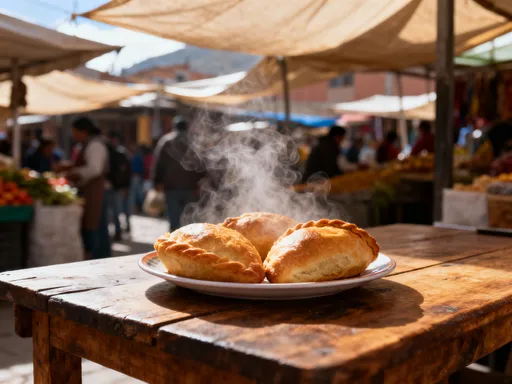
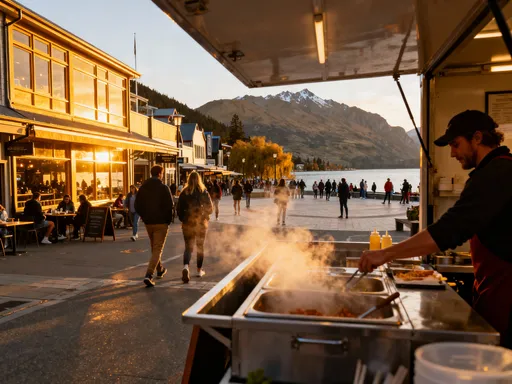
By midday, the energy shifts toward convenience and variety. Adventure seekers returning from hikes on the Queenstown Trail or bungee jumps at Kawarau Bridge often gravitate toward quick, satisfying bites. Food trucks parked near the town center or along the lakefront offer globally inspired street food—from Korean-style beef sliders to wood-fired pizza and creamy green-lipped mussels. These mobile vendors thrive in the town’s flexible urban environment, setting up near high-traffic zones and adapting to seasonal flows. Their menus are concise but inventive, designed for portability without sacrificing flavor, and often feature ingredients sourced from nearby farms and fisheries.
The lunchtime landscape reflects Queenstown’s ability to blend practicality with pleasure. A worker on a break might share a table with a tourist consulting a map, both eating from the same artisan sandwich bar. There’s no strict divide between “local” and “visitor” food—instead, a shared appreciation for quality and freshness unites them. This inclusivity is supported by the town’s compact design, where no destination feels too far or too exclusive. Whether grabbing a pie from a historic bakery or a poke bowl from a modern takeout counter, the experience feels accessible, authentic, and deeply embedded in the day’s rhythm.
As evening falls, Queenstown transforms. The golden hour paints the Remarkables mountain range in soft hues, and the town lights begin to shimmer along the waterfront. This is when the culinary scene truly comes alive, with reservations filling up at acclaimed restaurants like Rata, Botswana Butchery, and Amulet. Outdoor seating areas expand, heaters glow, and the air fills with the sizzle of grills and the clink of glasses. Dining in Queenstown at night is not just about the meal—it’s about the atmosphere, the view, and the sense of occasion that the urban setting amplifies.
What sets this evening rhythm apart is its intimacy. Despite the town’s global reputation, its restaurants remain human-scaled. There are no faceless chains dominating the skyline—instead, most establishments are independently owned, often by chefs with deep ties to the region. This personal touch extends to the service, where staff might recommend a local pinot noir or explain how the venison on the menu was sourced from a nearby high-country station. The experience feels curated, not commercial, turning dinner into a narrative of place and season.
Hidden Flavors in Plain Sight: Discovering Local Eateries Off the Main Strip
Beyond the well-trodden path of Beach Street and the Festival Village, Queenstown harbors a quieter, more intimate food culture. Just a few steps from the tourist core, tucked into side lanes or modest storefronts, lie eateries that reflect the town’s true culinary soul. These are not hidden in the sense of being secret—they are visible, accessible, and beloved by those who live here. Yet they often escape the attention of first-time visitors, who may not realize that some of the most memorable meals are found just around the corner from the souvenir shops.
One such gem is Fergbaker, a no-frills bakery known for its sourdough bread and legendary pies. While its location on Shotover Street places it near the main drag, its unassuming exterior and focus on takeaway appeal more to locals than to those chasing fine dining. Here, a mid-morning queue might include a farmer in work boots, a schoolteacher on break, and a hiker stocking up for the trail. The menu is simple—beef and stout pie, lamb and rosemary, vegetarian kumara—but execution is precise, with buttery pastry and deeply flavored fillings that speak to generations of New Zealand baking tradition.
Another standout is Mokoia Street Kitchen, a family-run spot offering Southeast Asian flavors with a Central Otago twist. The owners, of Malaysian and Kiwi descent, craft dishes like slow-cooked pork belly bao and lemongrass chicken skewers, using local produce whenever possible. The space is small, with just a few tables and an open kitchen, but the warmth of the service and the depth of flavor make it a repeat destination for those in the know. It’s the kind of place where regulars are greeted by name, and new visitors are welcomed with a sample of homemade chili oil.
These off-the-beaten-path eateries thrive because of Queenstown’s dense urban fabric. Unlike larger cities where neighborhoods are segregated by function or class, Queenstown’s compactness allows diversity to flourish in close proximity. A high-end wine bar can sit beside a humble pie shop, a vegan cafe next to a traditional butcher. This proximity fosters curiosity and cross-pollination, encouraging both locals and visitors to explore beyond their usual preferences. It also allows small operators to survive in a competitive market—foot traffic from the main streets naturally spills over, bringing customers who might not have sought them out otherwise.
What unites these hidden spots is their authenticity. They are not designed for Instagram aesthetics or viral fame. Instead, they focus on consistency, flavor, and connection. They reflect the town’s multicultural makeup without performative exoticism, offering genuine expressions of heritage and home. For the discerning traveler or the long-term resident, these places represent the heart of Queenstown’s food culture—unpolished, unpretentious, and deeply satisfying.
Street Food & Markets: The Soul of Queenstown’s Urban Dining
If the restaurants are Queenstown’s culinary backbone, then its street food and markets are its beating heart. Every Saturday morning, the Queenstown Farmers’ Market transforms a corner of the town center into a vibrant hub of local flavor. Spread across the grounds near the lake, dozens of stalls offer everything from organic vegetables and free-range eggs to artisan cheeses, handmade chocolates, and freshly baked sourdough. The air is thick with the scent of roasting coffee and wood-fired bread, while live acoustic music drifts over the crowd.
This weekly event is more than a shopping destination—it’s a social ritual. Families arrive with reusable bags and strollers, friends meet for coffee and pastries, and chefs from local restaurants scout for seasonal ingredients. Vendors are often the producers themselves, happy to explain how their honey is harvested or why this season’s tomatoes are especially sweet. The market fosters transparency and trust, reinforcing the connection between eater and grower in a way that supermarkets cannot replicate.
Seasonal food festivals and pop-up events further animate the town’s public spaces. During winter, the Night Market brings heated tents, mulled wine, and global street food to the town center, turning cold evenings into culinary celebrations. Summer sees al fresco dining zones pop up along the lakefront, where food trucks serve everything from gourmet burgers to Thai curry bowls. These temporary installations transform underutilized spaces into lively gathering spots, proving that food can be a powerful tool for urban activation.
What makes these events so successful is their integration into the town’s existing fabric. Unlike isolated food festivals held on the outskirts of cities, Queenstown’s markets are embedded in daily life. They take place within walking distance of homes, hotels, and workplaces, making participation effortless. There’s no need for special transportation or planning—just a willingness to step outside and engage. This accessibility ensures broad participation, from retirees enjoying a slow morning stroll to young families introducing children to new flavors.
Moreover, these gatherings reinforce a sense of community ownership. Many vendors are local entrepreneurs who started small and grew with the town’s support. A jam maker might begin selling at a stall and eventually supply local cafes; a baker might transition from market stands to a permanent shop. This ecosystem of opportunity allows culinary passion to translate into sustainable livelihoods, enriching the town’s food landscape from the ground up.
Design & Dining: How Architecture Shapes Food Spaces
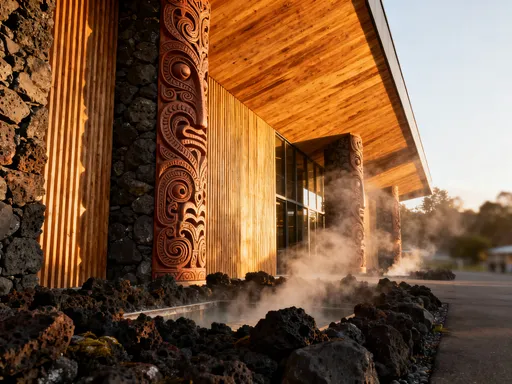
In Queenstown, the way a restaurant looks and feels is as important as the menu. The town’s unique geography—wedged between lake and mountains—has inspired a design language that prioritizes connection: to nature, to people, and to place. Many dining venues are built or renovated to maximize views, using large glass facades, open-air terraces, and elevated decks that frame the Remarkables or Lake Wakatipu like living artwork. But beyond aesthetics, these design choices serve a functional purpose—inviting the outside in and dissolving the boundary between urban space and natural wonder.
One of the most striking examples is the Eichardt’s Private Hotel dining terrace, where floor-to-ceiling windows and a cantilevered deck create the illusion of floating above the water. Diners sip Central Otago pinot noir while watching boats glide past, the mountains shifting color with the light. The interior uses natural materials—reclaimed timber, stone accents, soft leather—that echo the surrounding landscape, creating a sense of harmony between built and natural environments. This attention to detail enhances the sensory experience, making the meal feel like an extension of the journey.
Other venues take a more rustic approach, embracing the town’s alpine character. The Cow, a popular bistro, combines exposed beams and leather booths with an open kitchen that puts the cooking on display. The layout encourages interaction—between guests, staff, and even the food itself. Outdoor seating wraps around the building, allowing diners to enjoy the buzz of the street while staying sheltered from the wind. These design elements are not incidental; they are carefully planned to support the kind of relaxed, convivial atmosphere that defines Queenstown’s dining culture.
Urban planning also plays a role in shaping food spaces. Zoning regulations and design guidelines encourage mixed-use development, ensuring that restaurants are integrated into the streetscape rather than isolated in commercial zones. This creates a walkable, human-scale environment where dining is part of the daily rhythm. Benches, planters, and public art are strategically placed to slow foot traffic and encourage停留, turning even a brief stop for coffee into a moment of connection.
Sustainability on the Plate: Local Sourcing in a Tourist-Driven Town
With over two million annual visitors, Queenstown faces a constant challenge: how to feed a transient population without compromising environmental integrity. The answer lies in a growing commitment to sustainability, particularly in the realm of food sourcing. Many restaurants now prioritize local producers, forging direct relationships with farms, orchards, and fisheries within a 100-kilometer radius. This farm-to-table approach reduces food miles, supports regional agriculture, and ensures peak freshness—benefits that are evident in every bite.
Rata, the restaurant founded by renowned chef Josh Emett, exemplifies this ethos. Its menu changes seasonally, featuring ingredients like Arrowtown heirloom carrots, Earnscleugh Station lamb, and wild foraged herbs. The kitchen works closely with suppliers, often visiting farms to understand growing practices and build trust. This transparency extends to diners, who may receive a note on the menu explaining the origin of their venison or the story behind the honey in their dessert.
Other establishments follow suit, incorporating sustainability into their core operations. Some have eliminated single-use plastics, opting for compostable packaging or reusable containers. Others participate in waste reduction programs, donating surplus food to local charities or using organic scraps for compost. These efforts are not just ethical—they are practical, helping businesses manage costs and respond to growing consumer demand for responsible practices.
The town’s compact size is a key enabler of these initiatives. Shorter supply chains mean that fresh produce can be delivered daily, reducing spoilage and storage needs. Farmers can respond quickly to restaurant orders, and chefs can plan menus around what’s available rather than what’s shipped from afar. This agility fosters creativity and seasonality, turning limitations into culinary opportunities.
Beyond the Plate: How Food Defines Queenstown’s Urban Identity
Food in Queenstown is more than nourishment—it is a language of belonging. It tells the story of a town shaped by migration, innovation, and a deep respect for the land. From the Māori concept of kaitiakitanga (guardianship of the environment) to the Scottish-influenced baking traditions and the influx of global flavors brought by international residents, cuisine here reflects a layered cultural identity. It evolves with the seasons, responding to snowfall in winter and harvest in summer, and it adapts to the rhythm of outdoor life, where meals are timed around hikes, ski runs, and lake swims.
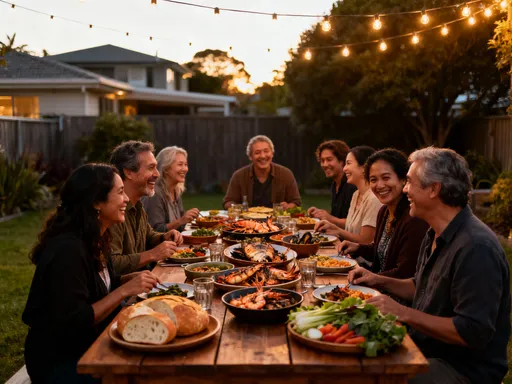
More than any landmark or attraction, it is the shared meal that defines Queenstown’s spirit. Whether it’s a family gathering at a lakeside pub, a solo traveler striking up a conversation at a market stall, or a group of friends toasting the sunset with local wine, food creates moments of connection. These interactions, small and fleeting as they may seem, accumulate into a collective sense of place. They remind us that even in a town celebrated for its wilderness, the heart of the experience is often found in its urban core—where streets buzz with life, and every corner offers a reason to stop, savor, and belong.
Queenstown’s magic lies not only in its postcard views but in the warmth of its urban food culture. Every bite tells a story of place, people, and passion—proving that even in a small town surrounded by wilderness, the city itself can be the most delicious destination.