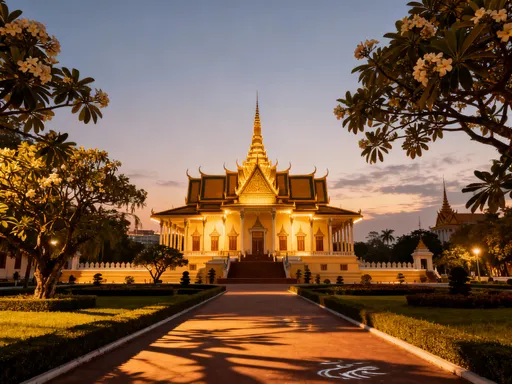
You Gotta See These Hidden Natural Gems in Vientiane
Most people think Vientiane is just temples and slow streets, but I was blown away by how much untouched nature hides in and around the city. From riverside walks to quiet forest escapes, the capital’s green side is real and totally underrated. If you’re looking for peace, fresh air, and authentic landscapes without leaving the city, this is your go-to guide. Trust me—nature lovers will be pleasantly surprised.
Reimagining Vientiane: More Than Just a Quiet Capital
Vientiane is often described as Laos’s serene political heart, a city where time moves gently and life unfolds at a calm pace. While it’s true that the capital doesn’t boast towering skyscrapers or bustling nightlife, this very tranquility is what allows its natural beauty to shine. Many travelers pass through expecting only golden stupas and quiet alleyways, but they miss the subtle, ever-present embrace of nature that shapes daily life here. The city is framed by the mighty Mekong River to the west and soft green hills rolling into the distance to the east, creating a natural boundary that softens the urban landscape.
What makes Vientiane’s natural appeal so unique is its accessibility. Unlike other destinations where you must trek for hours to find solitude in nature, here, green spaces and scenic views are woven into the fabric of the city. Residents walk barefoot on grassy temple lawns, families gather under banyan trees in public parks, and cyclists glide along tree-lined avenues with birdsong as their soundtrack. This seamless blend of urban living and natural calm is not accidental—it reflects a cultural respect for balance, harmony, and the rhythms of the land.
For visitors, especially those traveling with children or seeking restorative travel experiences, this integration is a gift. You don’t need to plan elaborate excursions to feel connected to the environment. A morning stroll along the river, a quiet moment in a shaded courtyard, or an afternoon picnic in a local park can be just as meaningful as visiting a major landmark. The city’s green spaces are not afterthoughts—they are essential to its character, offering moments of reflection, relaxation, and reconnection.
Understanding Vientiane through its natural offerings also shifts the traveler’s perspective. Instead of rushing from temple to temple, you begin to notice the details: the way sunlight filters through palm fronds, the coolness of stone underfoot in a shaded garden, the distant call of a kingfisher near the marsh. These quiet moments accumulate into a deeper, more authentic experience of the city. For women in their 30s to 55s—many of whom seek meaningful, low-stress travel—Vientiane’s gentle pace and abundant greenery offer a rare kind of nourishment for the soul.
The Mekong Riverfront: A Natural Escape in Plain Sight
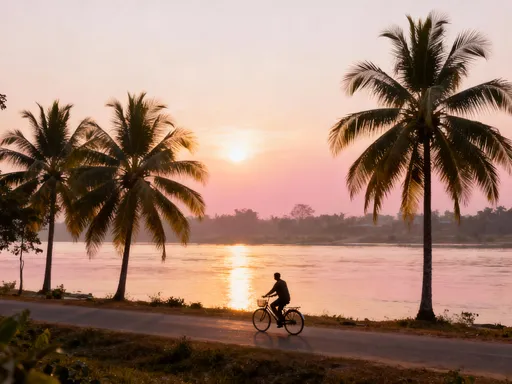
One of the most accessible and breathtaking natural features in Vientiane is the Mekong Riverfront, particularly along Tha Deuat Road. This riverside stretch is not just a scenic backdrop—it’s a living part of the city’s daily rhythm. Each morning, as the sun rises over the eastern bank, locals gather to walk, cycle, and practice tai chi along the paved path that runs parallel to the water. The air is cool, the light is soft, and the river moves with a quiet dignity that invites contemplation.
By late afternoon, the scene transforms. The golden hour paints the sky in warm hues, reflecting off the slow-moving current and casting long shadows across the walkway. This is one of the best times to visit, as the heat of the day begins to fade and the pace of life slows even further. Couples stroll hand in hand, children fly kites on the open grassy areas, and vendors sell fresh coconut water from roadside carts. The atmosphere is peaceful, unhurried, and deeply restorative.
For visitors, walking or cycling along the riverfront offers more than just exercise—it provides a genuine connection to the natural world. The Mekong, one of Asia’s great rivers, flows with a quiet power that is both humbling and calming. You can pause at one of the small wooden benches, sit quietly, and simply watch the water. Fishermen cast their nets in traditional wooden boats, water buffalo graze on distant sandbars, and the occasional ferry chugs across the wide expanse, linking Laos to Thailand just across the border.
To make the most of this experience, plan your visit for early morning or late afternoon. Bring a wide-brimmed hat, sunscreen, and a reusable water bottle, as shade is limited in some sections. Wear comfortable walking shoes or rent a bicycle—many small shops near the Patuxai Arch offer affordable rentals. Avoid midday visits during the dry season, when temperatures can soar. And while the riverfront is generally safe and welcoming, it’s best to stay on the main path and avoid venturing too close to the water’s edge, especially with children.
Sisaket & the Quiet Gardens: Finding Green Between Temples
Amid Vientiane’s well-known temples lies a quieter, greener side that often goes unnoticed. Wat Sisaket, one of the city’s oldest and most revered temples, is not only a place of worship but also a sanctuary of shade and stillness. Unlike the more ornate and crowded sites, Wat Sisaket offers a more intimate experience, where spirituality and nature coexist in harmony. Its walled courtyards are lined with ancient frangipani and banyan trees, their roots twisting like quiet sentinels around stone pathways.
The gardens within Wat Sisaket are not manicured in the Western sense—they are allowed to grow naturally, with fallen leaves left to blanket the earth and moss creeping up temple walls. This organic aesthetic enhances the sense of peace and timelessness. Visitors often sit on the cool stone steps, closing their eyes as a breeze rustles through the canopy above. Birdsong filters down from the treetops, and the scent of incense mingles with the earthy aroma of damp soil after a morning rain.
What makes this space particularly special is how it invites quiet reflection. Women traveling solo or with family may find it an ideal spot to pause, breathe, and gather their thoughts. There are no loud guides, no crowds pressing forward—just the gentle hum of daily temple life. Monks walk silently between buildings, elders light candles in quiet devotion, and children play softly near the lotus ponds. It’s a reminder that nature and spirituality are not separate here—they are intertwined.
When visiting Wat Sisaket, wear modest clothing that covers shoulders and knees, as a sign of respect. Bring a light scarf or shawl, not only for temple etiquette but also for shade. Comfortable, flat shoes are essential, as the uneven stone paths can be slippery when wet. Carry a small bottle of water and perhaps a journal—many visitors find this garden a perfect place to write, sketch, or simply sit in gratitude. By combining cultural appreciation with natural serenity, Wat Sisaket offers a uniquely balanced experience.
Lao National Heritage Museum & the Tree-Lined Approach
While the Lao National Heritage Museum is celebrated for its historical exhibits, the journey to its entrance is an experience in itself. The path leading up to the museum is shaded by towering rain trees and frangipani, their branches forming a natural canopy that filters sunlight into dappled patterns on the ground. This tree-lined avenue is more than just landscaping—it’s a deliberate pause between the outside world and the quiet reverence of the museum interior.
Walking this path feels like stepping into a cooler, calmer dimension. The air is noticeably fresher, the noise of traffic fades, and the only sounds are the rustle of leaves and the occasional chirp of a jungle myna. The contrast is striking: just a few steps from the busy street, you are enveloped in green stillness. For mothers, caregivers, or anyone seeking a brief mental reset, this short walk offers a powerful sensory reset.
The design reflects a deeper Lao value—the importance of transition and mindfulness. Entering a place of learning or remembrance is not rushed; it is prepared for. The trees, some of which are decades old, serve as silent guardians of this principle. Their roots run deep, much like the history preserved inside the museum. This connection between nature and memory is subtle but profound.
Visitors are encouraged to slow down on this approach, to look up, to breathe. It’s easy to rush through travel, ticking off sites without truly absorbing them. But here, the environment invites you to do otherwise. After your museum visit, consider retracing your steps along the same path, noticing how the light has shifted, how the shadows have moved. Pairing cultural learning with natural awareness creates a richer, more layered experience—one that stays with you long after you’ve left.
Outskirts Adventure: Phou Khao Khouay National Bio-Diversity Conservation Area
For those ready to venture beyond the city, Phou Khao Khouay National Bio-Diversity Conservation Area offers a rewarding escape into Laos’s rich natural heritage. Located about an hour’s drive northeast of Vientiane, this protected zone spans over 200,000 hectares of forested hills, river valleys, and grasslands. It’s one of the few places near the capital where you can experience true wilderness without an arduous journey.
The conservation area is home to diverse wildlife, including gibbons, macaques, hornbills, and even the elusive clouded leopard. While sightings are never guaranteed, the sounds of the forest—howler monkeys at dawn, the rustle of small mammals in the underbrush—create an immersive experience. Birdwatchers will delight in the variety of species, from the vibrant green peafowl to the crested serpent eagle soaring above the canopy.
Several well-marked trails allow visitors to explore at their own pace. The most popular is the Nam Xot Waterfall trail, a moderate 2.5-kilometer loop that leads through dense jungle to a refreshing cascade. The pool at the base is safe for wading during the dry season, and the surrounding rocks offer perfect spots for a picnic. Another favorite is the Tham Phu Kham trail, which combines a short hike with a visit to a sacred cave and a natural spring believed to have healing properties.
Getting there is easiest with a private driver or a small-group eco-tour, many of which include a local guide. These guides not only ensure safety but also share knowledge about medicinal plants, traditional conservation practices, and the cultural significance of the land. Pack sturdy hiking shoes, insect repellent, a rain jacket (especially in the wet season), and plenty of water. Always stay on marked trails to protect the delicate ecosystem and avoid disturbing wildlife. Remember: take only photos, leave only footprints.
Local Parks: Where Residents Reconnect with Nature Daily
Back in the city, Vientiane’s local parks serve as vital green lungs and community gathering spaces. These are not grand, manicured gardens but simple, functional spaces where nature and daily life intersect. That Luang Marsh, one of the largest urban wetlands in the city, is a prime example. At dawn, the marsh comes alive with movement—herons stalk the shallows, dragonflies hover over lily pads, and fishermen paddle silently in narrow canoes.
Further into the city, neighborhood parks like Setthathirath Park and Kaysone Park offer shaded lawns, playgrounds, and walking paths. These spaces are where families spend weekends, where elders practice tai chi in synchronized movements, and where young couples sit on benches under flowering trees. The atmosphere is warm, inclusive, and deeply rooted in Lao values of community and balance.
Visiting these parks like a local means timing your trip right. Early mornings are ideal—between 6:00 and 7:30 a.m.—when the air is cool and the energy is peaceful. You’ll see women in wide-brimmed hats tending to small flower beds, men playing petanque on gravel courts, and children chasing butterflies. Late afternoons, just before sunset, are equally lovely, with families arriving for picnics and casual games of shuttlecock.
These parks are more than recreational spaces—they are expressions of how Lao people value harmony with nature. Even in a small capital city, green areas are protected and cherished. For visiting women, especially those raising children or managing busy households, these parks offer a model of simple, sustainable living. They remind us that nature doesn’t have to be far away to be meaningful—it can be part of everyday life.
Putting It All Together: Planning Your Nature-Focused Day in Vientiane
Creating a fulfilling day centered on nature in Vientiane is both simple and deeply rewarding. Start at dawn with a walk along the Mekong Riverfront, where the cool air and gentle light set a peaceful tone. Afterward, head to Wat Sisaket to experience the quiet gardens and historic architecture. Pack a light breakfast—fresh fruit and sticky rice—to enjoy on a shaded bench.
In the late morning, visit the Lao National Heritage Museum, taking time to savor the tree-lined approach and the transition it offers. By early afternoon, retreat to a local park like Kaysone Park for a rest, perhaps joining a tai chi session or simply watching children play. If you have the energy and time, plan a half-day trip to Phou Khao Khouay, ideally with a guided tour that includes transportation and a knowledgeable guide.
Return to the city in time for sunset on the riverfront, where you can reflect on the day’s experiences. Rent a bicycle if you’re feeling active, or simply sit and watch the sky change colors over the Mekong. For dinner, choose a riverside café that sources local ingredients—many offer fresh vegetables, herbs, and fish from the river.
When planning your visit, consider the season. The dry season (November to April) offers the most comfortable weather, with clear skies and mild temperatures. The wet season (May to October) brings lush greenery and dramatic skies, but some trails may be slippery and river access limited. Always check local conditions and pack accordingly.
Transportation within the city is easy—bicycles, tuk-tuks, and motorbike taxis are widely available. For trips outside the city, hiring a driver or joining a small eco-tour ensures safety and convenience. Above all, allow yourself to move slowly. Vientiane’s natural beauty is not in grand gestures but in quiet details—the way a leaf trembles in the breeze, the sound of water lapping against the shore, the warmth of the sun on your skin.
Vientiane’s natural landscapes aren’t loud or dramatic—but that’s exactly their charm. They invite you to slow down, breathe deeper, and notice the small wonders: a riverside breeze, a shaded path, birds over the marsh. These experiences aren’t just refreshing—they reconnect you with the rhythm of the place. For travelers seeking calm and authenticity, the city’s green heart is a quiet revelation waiting to be discovered.