You Gotta See These Hidden Natural Wonders in Davos
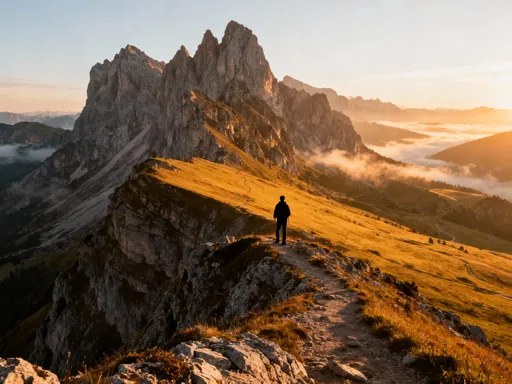
Davos, Switzerland, is more than just a conference destination—it’s a gateway to some of the Alps’ most breathtaking landscapes. I went not for politics, but for peaks, forests, and silent valleys that take your breath away. From crystal-clear lakes to high-altitude trails, the natural wonders here are real, raw, and ready to explore. If you’re craving mountain magic with practical access and year-round beauty, Davos might just surprise you.
Why Davos Deserves a Spot on Your Nature Travel List
Nestled high in the Swiss Alps at an elevation of about 1,560 meters (5,118 feet), Davos offers a rare combination of accessibility and alpine authenticity. While many mountain towns are either too remote or overly developed, Davos strikes a delicate balance—maintaining modern amenities while preserving its natural surroundings. This makes it an ideal destination for travelers who seek both comfort and immersion in nature. The town’s high altitude ensures crisp air, clear skies, and dramatic seasonal shifts, each revealing a different facet of its beauty. Whether blanketed in snow or bursting with summer blooms, Davos remains a visual masterpiece throughout the year.
What sets Davos apart from other Alpine resorts is its vast network of protected natural areas and well-maintained trails that lead directly into untouched wilderness. Unlike more commercialized destinations, much of Davos’ landscape remains unspoiled, allowing visitors to experience the quiet grandeur of the mountains without crowds. The region benefits from Switzerland’s strict environmental protections, which limit construction and preserve native flora and fauna. As a result, you’ll find pristine forests, glacial streams, and open meadows just minutes from the town center. This proximity to nature means even a short walk can feel like a full escape.
Accessibility further enhances Davos’ appeal. Reaching this alpine haven is easier than many expect, thanks to Switzerland’s efficient rail system. Travelers can take a scenic train ride from Zurich Airport directly into the heart of the town, avoiding the stress of car rentals or mountain driving. Once there, the Davos Guest Card grants free access to local buses and discounted entry to cable cars, making it simple to explore without relying on personal vehicles. For families, couples, or solo adventurers, this blend of ease and immersion makes Davos not just a luxury destination, but a practical one for meaningful nature experiences.
The Jaw-Dropping Beauty of Lake Davos
Lake Davos, or Davosersee, is one of the most accessible and visually striking natural attractions in the region. Located just a short walk from the town center, this glacial lake stretches nearly two kilometers long and sits at an elevation of 1,590 meters. Its waters shimmer in shades of turquoise and deep blue, reflecting the surrounding peaks and pine forests like a living painting. In summer, the lake becomes a hub for gentle outdoor recreation—perfect for those seeking relaxation amid nature. Walking trails circle the entire perimeter, offering panoramic views and frequent spots to pause and absorb the scenery.
Visitors can reach the lake via a flat, well-paved path from Davos Dorf, making it suitable for all ages and fitness levels. Strollers and wheelchairs can navigate much of the route, which takes about 25 minutes from the central station. Along the way, benches, informational signs, and small picnic areas provide opportunities to rest and learn about the local ecosystem. Once at the lake, families often gather to swim in the clean, cool waters during July and August when temperatures rise enough to make a dip refreshing. Designated swimming zones are marked, and lifeguards are present during peak hours, ensuring safety without detracting from the natural setting.
In winter, the transformation is nothing short of magical. When temperatures drop, the lake often freezes completely, turning into a natural ice-skating rink. Locals and tourists lace up their skates and glide across the smooth surface, surrounded by snow-covered trees and silent mountains. The town maintains safe conditions by monitoring ice thickness and marking official skating areas. Nearby, a small café serves hot chocolate and Swiss pastries, adding warmth to the frosty experience. Even if you don’t skate, a winter stroll around the frozen lake offers some of the most serene views in the region—especially at sunrise, when the first light gilds the snow and the air feels still and pure.
Hiking the Trail to Sertig Valley: A Hidden Alpine Paradise
For those willing to venture slightly off the beaten path, the hike to Sertig Valley is a rewarding journey into one of Davos’ best-kept secrets. Starting from Davos Klosters, this moderate trail climbs gradually through a narrow gorge before opening into a wide, flower-filled valley surrounded by towering peaks. The full round trip covers approximately 10 kilometers with an elevation gain of about 400 meters, making it achievable for most hikers with a reasonable level of fitness. The trail typically takes three to four hours to complete, allowing ample time to pause, photograph waterfalls, or sit quietly by a mountain stream.
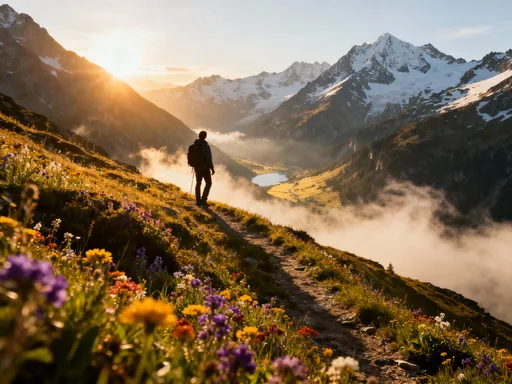
One of the most enchanting aspects of Sertig Valley is its sense of solitude. Unlike more popular routes, this path sees fewer visitors, especially outside peak summer months. The sound of cowbells often echoes through the meadows as grazing herds move slowly across the slopes—a timeless alpine tradition. Wildflowers bloom in vibrant clusters from June through August, painting the grasslands in hues of purple, yellow, and white. Small wooden huts dot the landscape, some still used by shepherds during the summer grazing season. These details add cultural depth to the natural beauty, offering a glimpse into rural Swiss life that has changed little over generations.
Practical preparation enhances the experience. Hikers should wear sturdy, waterproof footwear, as parts of the trail can become muddy after rain. A light backpack with water, snacks, and a windproof layer is advisable, as mountain weather shifts quickly. While there are no large facilities along the route, a small mountain restaurant near the midpoint offers coffee, soup, and local cheese dishes—a welcome treat halfway through the journey. For families, the trail’s manageable length and frequent points of interest keep children engaged, turning the hike into both an adventure and a nature lesson.
Parsenn Meadows: Where Wildflowers Meet Mountain Majesty
Beyond its fame as a premier ski destination, the Parsenn area unfolds into a breathtaking alpine garden each summer. When the snow melts, vast meadows emerge, carpeted with wildflowers and dotted with grazing cows. The Parsenn funicular and cable car system, accessible from Davos Dorf, transports visitors from the town up to nearly 2,700 meters in elevation, offering immediate access to high-altitude beauty without strenuous climbing. This makes it an excellent choice for those who want panoramic views with minimal effort, including older adults or families with young children.
At the top, a network of well-marked walking trails invites exploration. Even a short 30-minute stroll leads to sweeping vistas of glacier-capped peaks, deep valleys, and distant ridgelines. The air is noticeably fresher and cooler, carrying the scent of pine and wild thyme. Interpretive signs along the trails identify local plant species and birdlife, adding an educational dimension to the experience. Many visitors choose to pack a picnic and find a quiet spot to eat while soaking in the silence and scale of the landscape. For photography enthusiasts, the morning and late afternoon light casts a golden glow over the meadows, creating unforgettable images.
Tickets for the cable car can be purchased at the base station, with discounts available for children, seniors, and groups. The Davos Guest Card often includes a partial discount or free round trip, making it a cost-effective option. Visitors can choose to descend on foot via marked trails, turning the trip into a full-day outing. Those seeking a longer adventure can extend their walk toward the Weissfluhjoch summit area, where the views stretch across multiple cantons. Regardless of how far you go, the sense of elevation—both physical and emotional—is palpable, reminding you of nature’s power to uplift and inspire.
Winter Wonders: Experiencing Nature When It Freezes Over
While Davos is renowned for its ski slopes, its winter magic extends far beyond downhill runs. The entire region transforms into a quiet, snow-covered wonderland ideal for peaceful outdoor exploration. Frozen lakes, frosted forests, and soft blankets of fresh powder create a landscape that feels both serene and invigorating. For travelers who prefer a slower pace, non-ski activities like snowshoeing and cross-country skiing offer intimate ways to connect with the winter environment. These pursuits allow you to move quietly through the woods, listening to the crunch of snow underfoot and the occasional call of a distant bird.
Snowshoeing trails are clearly marked and maintained throughout the Davos area, with routes suitable for beginners and experienced hikers alike. Rental shops in town provide lightweight, easy-to-use snowshoes along with poles and guidance on trail conditions. Guided tours are available for those who want to learn about the local ecology while exploring. These small-group experiences often include stops to discuss animal tracks, winter plant adaptations, and the geology of the region. For families, snowshoeing is a safe and engaging way to introduce children to winter hiking, with many routes designed specifically for younger adventurers.
Cross-country skiing is another popular winter activity, with over 50 kilometers of groomed trails winding through forests and open fields. The Loipe Davos network is meticulously maintained, with tracks set for both classic and skate skiing styles. Trails range from flat, beginner-friendly loops to more challenging routes with elevation changes. Equipment is available for rent, and several locations offer introductory lessons for first-time skiers. What makes cross-country skiing especially appealing is its meditative rhythm—gliding across snow-covered terrain fosters a sense of calm and connection to the natural world. Whether you’re an experienced skier or trying it for the first time, the experience of moving silently through a winter forest is one you’ll remember long after your trip ends.
How to Get There and Move Around Without Stress
Reaching Davos is simpler than many assume, thanks to Switzerland’s world-class public transportation system. Most international travelers arrive at Zurich Airport, one of Europe’s most efficient hubs. From there, a direct train to Davos takes about two and a half hours, offering scenic views of lakes, farmland, and mountain passes along the way. The journey itself becomes part of the vacation, with comfortable seating, reliable Wi-Fi, and large windows designed for sightseeing. Luggage can be stored securely, and there’s no need to worry about driving on narrow mountain roads—Swiss trains handle elevation changes smoothly and safely.
Upon arrival in Davos, visitors receive a guest card from their accommodation, which unlocks a range of benefits. This card includes free use of local buses, access to certain hiking trails, and discounts on cable cars, museums, and swimming pools. It’s a small detail that significantly reduces travel costs and simplifies logistics. The town is compact and walkable, with most hotels, restaurants, and attractions located within a 15-minute walk of the train station. For destinations farther out—like Lake Davos or the Parsenn cable car—local buses run frequently and on time, following posted schedules that are easy to follow.
Packing smart enhances the travel experience. A small carry-on bag with essentials is often sufficient, as Switzerland’s rail system accommodates larger luggage without issue. Travelers should wear comfortable shoes for walking through train stations and mountain towns, and layers are essential due to temperature changes between lowlands and high altitudes. With reliable transit, clear signage in multiple languages, and helpful staff, navigating Davos feels intuitive rather than overwhelming. This ease of movement allows visitors to focus on what matters most—enjoying the beauty around them without logistical distractions.
When to Go and What to Pack: Maximizing Your Experience
Choosing the right time to visit Davos depends on your preferred activities and tolerance for crowds. Summer, from June to September, offers the best conditions for hiking, swimming, and mountain walks. Days are long, with up to 16 hours of daylight, and temperatures in the town range from 18°C to 25°C (64°F to 77°F), though higher elevations remain cooler. This season attracts outdoor enthusiasts but rarely feels overcrowded, especially on less-known trails. Wildflowers peak in July and August, making it the most colorful time to visit.
Winter, from December to March, draws visitors seeking snowscapes and winter sports. January and February offer the most reliable snow cover, ideal for skiing, snowshoeing, and ice skating. While this period includes holiday peaks, Davos manages visitor flow well, and smaller trails remain peaceful. Early December and late March can offer quieter experiences with still-good conditions. Spring and autumn are quieter still, with fewer tourists and changing landscapes—perfect for travelers who enjoy solitude and subtle seasonal transitions.
Packing appropriately ensures comfort and safety. A waterproof, windproof jacket is essential year-round, as mountain weather changes quickly. Layers are key: moisture-wicking base layers, insulating mid-layers, and a warm hat and gloves—even in summer, temperatures drop at higher elevations. Sturdy hiking boots with good traction are a must for trails, while waterproof shoes suffice for town walks. Other essentials include UV-protective sunglasses (snow and high altitude intensify sunlight), sunscreen, a reusable water bottle, and a small first-aid kit. A backpack with snacks and a map or offline GPS app completes the kit. With the right preparation, every day in Davos becomes an opportunity to explore with confidence and joy.
Davos isn’t just a name on the news—it’s a living, breathing alpine wonderland waiting to be explored. Whether you're chasing serene lakes, flower-filled valleys, or snow-draped silence, its natural wonders deliver year-round. With smart planning and a sense of adventure, your journey here becomes more than a trip—it becomes a reset for the soul.