You Gotta See Trinidad from These Spots – Mind-Blowing Views You Can’t Miss
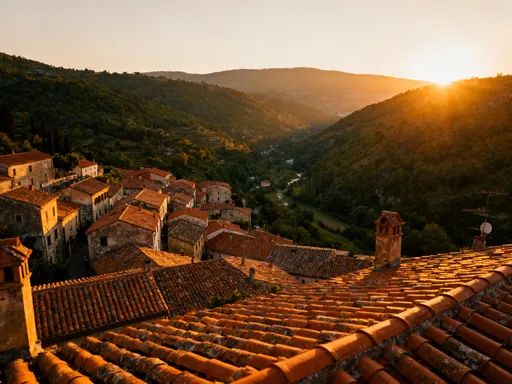
Trinidad, Cuba, isn’t just about cobbled streets and colonial charm—its magic truly unfolds when you see it from above. I’m talking about those quiet moments at sunrise, when the terracotta rooftops glow and the valley stirs below. Finding the best viewpoints here isn’t just luck; it’s about knowing where to go and when. Let me take you through the spots that gave me chills, offered peace, and made my trip unforgettable. These aren’t just photo ops—they’re soul-stirring experiences. Whether you're drawn to history, nature, or the quiet beauty of everyday life unfolding beneath a vast sky, the elevated perspectives around Trinidad reveal layers of meaning most travelers never discover. This is where postcard scenes transform into lasting memories.
Why Viewpoints Make or Break Your Trinidad Experience
When most visitors think of Trinidad, they imagine pastel-colored buildings, horse-drawn carriages, and salsa music spilling from open doorways. While these elements define the town’s charm, they only tell part of the story. The full emotional impact of Trinidad reveals itself when you step back—literally—by gaining elevation. From above, the city transforms from a collection of picturesque facades into a living organism nestled within a dramatic natural landscape. The way the rooftops cascade down toward the valley, the rhythmic pattern of red tiles interrupted only by palm fronds and church steeples, all framed by the soft curves of the Sierra del Escambray mountains—this is where understanding begins.
Seeing Trinidad from a higher vantage point offers more than visual delight; it provides context. You begin to grasp how geography shaped history. The town was founded in 1514 in this sheltered valley not for beauty, but for strategic advantage—protected from coastal raids while remaining close to fertile sugar cane fields. From above, you can trace the old trade routes in your mind, see how plantations once dotted the surrounding hills, and appreciate why UNESCO recognized Trinidad as a World Heritage Site in 1988. It’s one thing to walk through Plaza Mayor; it’s another to look down on it and feel the weight of centuries.
Yet, surprisingly few tourists seek out these elevated moments. Many follow standard itineraries that keep them at street level, rushing from museum to café without looking up or beyond. As a result, they miss the deeper resonance of place—the silence that settles over the town at dawn, the way shadows stretch across the valley like fingers, or how light licks the edges of stone buildings just after sunrise. These are not fleeting impressions; they’re emotional anchors. And they’re available to anyone willing to climb a few stairs, take a short hike, or pause on a quiet balcony with a view. The shift in perspective is subtle but profound, turning sightseeing into something closer to reverence.
Top 3 Must-Know Viewpoints for First-Time Visitors
For those visiting Trinidad for the first time, knowing where to start can make all the difference. While exploration is part of the joy, having a few reliable vantage points ensures you don’t miss the highlights. The three most accessible and rewarding viewpoints combine ease of access with breathtaking scenery, making them ideal for travelers of all ages and mobility levels. Each offers a distinct angle on the town, allowing you to build a fuller mental map of its layout and charm.
The bell tower of La Iglesia Parroquial de la Santísima Trinidad stands as one of the most iconic starting points. Located just off Plaza Mayor, this 18th-century church invites visitors to climb its narrow stone staircase to a viewing platform near the top. The ascent is modest but steep, with handrails for support, making it manageable for most adults. Once at the top, the reward is immediate: a sweeping view of the central historic district, where pastel houses line winding cobblestone streets like pieces in a mosaic. On clear mornings, you can see all the way to the distant hills, and if you arrive early enough, you’ll have the tower nearly to yourself. This is also an excellent spot for photography, with natural framing provided by the tower’s arched openings.
Another prime location is the hillside just behind Plaza Mayor, where several homes and small guesthouses offer elevated terraces with panoramic views. While some of these belong to private residences, many casas particulares (private homestays) welcome guests to enjoy their balconies, especially if you’re staying overnight or having coffee. One particularly scenic spot is found along Callejón del Medio, where a slight incline opens up to a natural overlook. From here, you can watch the town wake up—vendors setting up stalls, children heading to school, roosters calling from backyards. The scene feels timeless, untouched by modern rush. This viewpoint works well both in morning light and late afternoon, when the sun casts long golden reflections across tile roofs.
For a broader landscape perspective, Mirador del Valle is unmatched. Situated a short walk outside the main town center, this purpose-built lookout offers a wide-angle view of Trinidad nestled in the Ancon Valley. Stone railings and wooden benches make it comfortable for extended stays, and interpretive signs provide basic historical context. The view stretches across sugar cane fields, former plantation lands, and the forested foothills of the Sierra del Escambray. It’s especially powerful at sunset, when the entire valley seems bathed in amber light. Access is straightforward—follow signs from the edge of town near the Parque Céspedes entrance—and the path is paved, suitable for strollers or those using walking canes. This spot is popular, so arriving before 6:30 PM ensures space and peace.
Hidden High Points Only Locals Know
Beyond the well-trodden paths lie quieter, lesser-known vantage points known primarily to residents. These hidden lookouts offer solitude and intimacy, often revealing angles of Trinidad that even guidebooks overlook. They aren’t marked on maps, nor do they appear on tourist apps, but they’re discoverable through polite conversation, observant walking, and a willingness to wander slightly off the main routes. Respecting local privacy and customs is essential when seeking these spots, as many are tied to private homes or community spaces.
One such gem is a small courtyard tucked behind a row of houses on Calle General Urquiza. With permission from a friendly homeowner, visitors can climb a short internal staircase to a rooftop terrace that overlooks a cluster of red-tiled roofs and a patchwork of backyard gardens. From here, the sound of the town fades, replaced by birdsong and the rustle of banana leaves. The view isn’t panoramic, but it’s deeply human—clothes drying on lines, potted plants arranged with care, the occasional cat napping in the sun. It’s a reminder that Trinidad isn’t just a museum piece; it’s a living town where families grow, cook, laugh, and rest.
Another lesser-known option lies along a dirt trail leading up into the lower slopes of the Sierra del Escambray. Starting near the edge of the Ancon Peninsula, this path winds gently upward through native vegetation—ceiba trees, agave plants, and wild orchids clinging to rocks. After about 20 minutes of walking, the trail opens to a flat rock outcrop with an unobstructed eastward view of Trinidad. Because it requires a bit more effort to reach, few tourists make the climb, leaving it mostly to locals walking dogs or children playing after school. The sense of discovery here is palpable. You’re not just seeing the town from above—you’re sharing a quiet moment with the land that holds it.
Finding these hidden viewpoints often begins with a simple conversation. A smile, a respectful “¿Puedo subir al techo?” (Can I go up to the roof?), and a willingness to listen can open doors—sometimes literally. Many Cubans are proud of their town and happy to share its secrets with thoughtful visitors. But it’s crucial to approach with humility, not entitlement. These aren’t attractions; they’re parts of people’s daily lives. A small tip or gift—like fruit or coffee—is often appreciated but never expected. The real reward is the view, yes, but also the connection, however brief, between traveler and host.
Sunrise vs. Sunset: When to Chase the Light
The quality of light in Trinidad changes dramatically depending on the time of day, and choosing between sunrise and sunset can shape your entire experience. Both offer golden hours—the fleeting periods when the sun sits low on the horizon, casting soft, warm illumination across the landscape. But they deliver very different moods, crowd levels, and photographic opportunities. Understanding these differences helps you plan your visits for maximum impact and personal enjoyment.
Sunrise in Trinidad is a time of stillness and renewal. Most tourists are still asleep, and even locals move slowly in the early morning chill. Arriving at a viewpoint like the church tower or Mirador del Valle before 6:30 AM means you’ll likely have it to yourself. The air is crisp, the sky shifts from indigo to peach, and as the sun clears the mountains, it bathes the rooftops in a delicate glow. Shadows are long and soft, adding depth to photos without harsh contrasts. This is the best time for reflective moments—when the town feels suspended between night and day. Birdsong fills the air, and the first wisp of smoke rises from a kitchen chimney. For many, this quiet intimacy is more moving than any grand spectacle.
Sunset, on the other hand, brings drama and warmth. As the sun sinks behind the western hills, the entire valley lights up in deep oranges and reds, mirroring the color of the rooftops. This is peak photography time, when colors pop and silhouettes sharpen. Mirador del Valle becomes especially popular during these hours, with small groups gathering to watch the light fade. While the atmosphere is more social, it can also feel crowded, particularly in high season. Still, there’s something universally uplifting about sharing a beautiful moment with others, even in silence. The cooling breeze, the distant sound of music beginning in a plaza, the gradual shift from daylight to twilight—it all contributes to a sense of closure and contentment.
Your choice between sunrise and sunset may come down to personal rhythm. If you’re naturally an early riser who values solitude, sunrise offers a meditative start to the day. If you prefer winding down with beauty and gentle company, sunset may be more fulfilling. Either way, both times reveal Trinidad in its most luminous form. And because weather can vary—cloud cover, humidity, seasonal haze—it’s wise to try both if your stay allows. You might be surprised by how differently the same view can feel under changing light.
How to Photograph Trinidad Like a Pro (Without a Drone)
You don’t need expensive gear or a drone to capture stunning images of Trinidad from its best viewpoints. In fact, many of the most powerful photos come from careful observation, timing, and creativity—qualities every traveler can access. The key is to move beyond snapshots and think like a storyteller. What emotion do you want to convey? Peace? History? Warmth? Once you define that, your camera becomes a tool for expression, not just documentation.
One of the most effective techniques is using natural frames. The arches of the church tower, wooden window shutters, or even palm fronds can serve as borders that draw the eye toward the main subject. Position yourself so that these elements partially obscure the edges of your shot, creating depth and focus. Another tip is to time your shots around human movement. A lone figure walking down a cobbled street, a child chasing a ball, or a vendor arranging fruit adds scale and life to wide landscape views. These moments transform static scenes into living stories.
Smartphone cameras today are remarkably capable, especially in good light. Use the grid feature to apply the rule of thirds—placing the horizon along the upper or lower third of the frame for more dynamic composition. Tap to focus on your subject, and hold slightly longer to adjust exposure. If your phone has a portrait mode, try it for close-up details like textured walls or flower-filled balconies. Avoid digital zoom, which reduces quality; instead, get closer physically. And don’t forget to clean your lens—dust and fingerprints are common culprits behind blurry photos.
Equally important is ethical awareness. While the urge to get the perfect shot is strong, always respect private property and local customs. Never climb over fences, enter restricted areas, or disturb residents for a photo. If you’re photographing people, a smile and a quick nod often suffice for informal permission. In Cuba, where tourism plays a vital role in the economy, being a respectful visitor strengthens the cultural exchange. Your photos will carry more meaning knowing they were taken with care and consideration.
Connecting Viewpoints to Culture: What You See and What It Means
Every view of Trinidad tells a story—not just of beauty, but of survival, resistance, and identity. When you stand above the town and look out over its layout, you’re seeing more than architecture; you’re seeing the imprint of history. The grid pattern of streets reflects Spanish colonial planning, designed for order and control. The placement of the church at the heart of Plaza Mayor underscores the role of religion in daily life. The absence of modern high-rises speaks to preservation efforts and limited development, preserving the town’s 19th-century character.
The surrounding hills carry their own narratives. The Sierra del Escambray was once a refuge for rebels and revolutionaries, its dense forests offering cover during times of political upheaval. Even today, elders in the region speak of hidden trails and mountain camps with quiet pride. From a viewpoint, you can imagine those journeys—how someone might have climbed these same slopes carrying supplies, evading capture, dreaming of change. The land itself becomes a silent witness to courage and resilience.
Equally significant is the legacy of sugar. The flat lands around Trinidad were once covered in plantations worked by enslaved Africans. The wealth generated built the grand homes you see today, but it came at a devastating human cost. From elevated vantage points, you can still see the remnants—crumbling mill structures, overgrown fields, the occasional stone foundation. These aren’t just ruins; they’re reminders of a complex past that shaped the town’s present. Recognizing this adds depth to your visit, transforming admiration into understanding.
Modern Trinidad balances preservation with progress. Young musicians play traditional son music in the plazas, keeping culture alive. Artisans sell handmade crafts to support their families. Farmers tend small plots on the outskirts, growing yucca, plantains, and corn. From above, you see how old and new coexist—solar panels on colonial roofs, children playing with homemade toys, elders sitting in doorways watching the world pass by. This is not a frozen tableau; it’s a community evolving with grace and dignity. When you view Trinidad from height, you don’t just see a postcard—you see a people.
Planning Your Viewpoint Tour: Timing, Comfort, and Safety Tips
To fully enjoy Trinidad’s best viewpoints, a little planning goes a long way. The town’s tropical climate means strong sun, high humidity, and occasional afternoon showers—factors that affect comfort and safety. Timing your visits to avoid midday heat is essential, especially for older travelers or those sensitive to heat. Mornings between 6:00 and 9:00 AM and late afternoons from 4:30 to 7:00 PM are ideal for outdoor activities, offering cooler temperatures and softer light.
Footwear matters. While Trinidad’s streets are charming, they’re paved with uneven cobblestones that can be slippery, especially after rain. Wear supportive, closed-toe shoes with good grip. Sandals or flip-flops may seem appealing in the heat, but they offer little stability on inclines or stairs. If you plan to hike toward natural lookouts, consider lightweight hiking shoes or trail runners. Bring a small backpack with water, sunscreen, a hat, and a compact umbrella or rain jacket—afternoon storms can appear quickly, and shade is limited on exposed viewpoints.
Stay hydrated. Carry at least 500ml of water per outing, especially if you’re climbing stairs or walking uphill. Bottled water is widely available in Trinidad, sold in stores, hotels, and street kiosks. Avoid drinking tap water, even when brushing teeth. Reusable bottles with built-in filters are a sustainable choice and easy to refill at casas particulares that offer filtered water to guests.
Be aware of your surroundings without feeling anxious. Trinidad is generally safe for tourists, but petty theft can occur, particularly in crowded areas. Keep valuables secure, use a crossbody bag, and avoid displaying expensive cameras or jewelry. When visiting viewpoints near residential areas, be respectful—speak quietly, don’t litter, and ask before photographing people. Most locals are warm and welcoming, but cultural sensitivity builds trust and enriches your experience.
Finally, pace yourself. Trinidad rewards slow travel. You don’t need to visit every viewpoint in one day. Spread your visits over two or three days, combining them with rest, meals, or cultural activities like music performances or museum visits. Let the town reveal itself gradually. Each return to a favorite lookout will feel different—changed by light, mood, or your own growing connection to the place.
Trinidad reveals its soul not just in its colors, but in the silence between rooftops, the curve of the land, and the way light lingers on stone. The best viewpoints aren’t just about height—they’re about perspective. By seeking them out, you don’t just see Cuba better; you feel it deeper. These elevated moments offer more than scenery; they offer stillness, understanding, and a renewed sense of wonder. Whether you’re standing atop a centuries-old bell tower or sitting quietly on a hillside bench, you’re not just observing history—you’re becoming part of it. And that, perhaps, is the most beautiful view of all.